Monday, 27 April 2020

Josh Constine leaves TechCrunch for VC fund SignalFire

How do you leave the place that made you? You figure out what it made you for. TechCrunch made me a part of the startup ecosystem I love. Now it’s time to put that love into action to help a new generation of entrepreneurs build their dreams and tell their stories.

So it’s “TC to VC” for me. After 8.5 years at TechCrunch and 10 in tech journalism, I’m leaving today to join the venture team at VC fund SignalFire. I’m going to be a principal investor and their head of content.

I’ll be seeking out inspiring new companies, doing deals (when I’m eventually up to speed) and providing pitch workshops based on countless interviews for TechCrunch. Thankfully, I’ll also still get to write. We’re going to find out what founders really want to learn and produce that content to help them form, evolve and grow their companies. I’m doing my signature bounce & smile with excitement.

Where to follow my writing

You’ll still be able to follow my writing as well as my journey into VC on my newsletter Moving Product at constine.substack.com as well as on Twitter: @JoshConstine. No way I could just suddenly shut up about startups! If you’re building something, you can always reach me at joshsc [at] gmail.com

On the newsletter you can read a deeper explanation for why I picked SignalFire. I also just published the first real issue of Moving Product on how quarantine is “loaning” concurrent users to startups that will help the new wave of synchronous apps snowball to sustainability, plus commentary from top product thinkers on Facebook’s new Rooms.

Why I chose SignalFire?

I was drawn to SignalFire because it’s built like the startups I love writing about: to solve a need. Entrepreneurs need tactical advantages in areas like recruiting, where they spend most of their time, and expert advice on specific problems they’re facing.

SignalFire CEO and founder Chris Farmer

That’s why SignalFire spent six years in stealth building its recruitment prediction and market data analysis engine called Beacon. It can spot deal opportunities for SignalFire’s new $200 million seed and $300 million breakout funds while helping the portfolio hire smarter. Then SignalFire assembled more than 80 top experts, like Instagram’s founders, for its invested advisor network. Traditional funds need partners to exhaust their social capital asking for favors from friends to help their portfolio. SignalFire’s model sees its advisors share in the returns of the fund, so they’re sustainably motivated to assist.

SignalFire’s founder and CEO Chris Farmer was also willing to invest in me, figuratively. I’ve written about thousands of startups but I’ve never funded one. He and his team have offered to mentor me as I learn the art and science of investing. They also accept me for my opinionated, outspoken self. Instead of constricting my voice, the plan is to harness it to highlight new ideas and proven methods for building companies. I wrote this post on my newsletter with a deeper look at why I picked SignalFire and how its modernized approach to venture works.

What makes TechCrunch different

Of the 3,600 articles I’ve written for TechCrunch, this was the hardest.

TechCrunch gave me the platform to make an impact and the freedom to say what I believe. That’s a rare opportunity in journalism, but especially important for covering startups. TechCrunch writes about things that haven’t happened yet. There are often no objective facts by which to judge an early-stage company. Whether you decide to cover them or not, and the tone of your analysis, depends on having conviction about whether the world needs something or not, if the product is built right and if the team has what it takes.

If you rely on others’ signals about what matters, whether in the form of traction or investment, you’ll be late to the story. That means editors have to trust their writers’ intuition. At TechCrunch, that trust never wavered.

SAN FRANCISCO, CALIFORNIA – OCTOBER 04: (L-R) Snap Inc. Co-founder & CEO Evan Spiegel and TechCrunch editor-at-large Josh Constine speak onstage during TechCrunch Disrupt San Francisco 2019. (Photo by Steve Jennings/Getty Images for TechCrunch)

Eric Eldon, Alexia Tsotsis and Matthew Panzarino put their absolute faith in our team. That gave me a chance to write the first-ever coverage of startups like Robinhood before its seed round, and SnappyCam before it was acquired by Apple and turned into iPhone burst fire. My editors also never shied away from confrontations with the tech giants, like my investigation into Facebook paying teens for their data that caused it to shut down its Onavo tool, or my exposé on Bing suggesting child abuse imagery in search results that led it to overhaul its systems.

I met my wife Andee at a TechCrunch event. [Image Credit: Max Morse]

I’ll always be indebted to Eric Eldon, who gave a freshly graduated cybersociologist with no experience his first shot at blogging back at Inside Facebook. Editors like Alexia Tsotsis and Matthew Panzarino helped me develop a more critical voice without sterilizing my personality. And all my fellow writers over the years, including Zack Whittaker and Sarah Perez, pushed me to hustle, whether that meant pontificating on new product launches or exposing industry abuse. If my departure from journalism elicits a sigh of relief from the companies in my cross-hairs, I know I did my job. The TechCrunch business and events team have turned Disrupt into the tech industry’s reunion. I appreciate them giving me the chance to learn public speaking, from the most heartfelt moments to the cringiest. And really, I owe them the rest of my life, too, since I met my wife Andee at a Disrupt after-party.

Treating writing like a sport to be won kept me cranking all these years, and I’m grateful for Techmeme offering a scoreboard for extra motivation. I’ll unhumbly admit it’s nice to hang up my jersey while ranked No. 1. My gratitude to Jane Manchun Wong for furnishing so many scoops over the years, and to all my other sources. It’s been fun competing and collaborating with my favorite other reporters, and I know Taylor Lorenz, Casey Newton and Mike Isaac will keep a close eye on tech’s trends and travesties.

But most of all, I want to extend an enormous thank you to…you. To everyone who has read or shared my articles over the years. I woke up each day with a sense of duty to you, and felt proud to say “I fight for the user” like Tron. What makes this industry special is how the community refuses to treat it as zero-sum. We grow the pie together, and everyone knows their competitor today could be their future co-founder. That makes us willing to share and learn together. I believe no recession, correction or bubble-burst will change that. 

BERLIN, GERMANY – DECEMBER 12: Group Photo on stage at TechCrunch Disrupt Berlin 2019 at Arena Berlin on December 12, 2019 in Berlin, Germany. (Photo by Noam Galai/Getty Images for TechCrunch)

So I’ll leave you with a final thought that’s made my life so fulfilling: If you have the privilege or create the opportunity, turn your passion into your profession.

Specialize. Learn. Then make what you want. If you can find some niche you’re endlessly interested in, that’s growing in importance, and at least someone somewhere earns money from, you’ll become essential. Not necessarily today. But that’s the beauty of writing — it teaches you while proving to others what you’ve been taught. No matter what it is, blog about it once a week. In time you’ll become an expert, and be recognized as one. Then you’ll have the power to adapt to the future, however feels most graceful.

Keep up with my writing on my newsletter at constine.substack.com, stay in touch on Twitter, and reach out at joshsc [at] gmail.com


source https://techcrunch.com/2020/04/27/tc-to-vc/

TikTok launches Donation Stickers, allowing creators to fundraise for coronavirus relief efforts

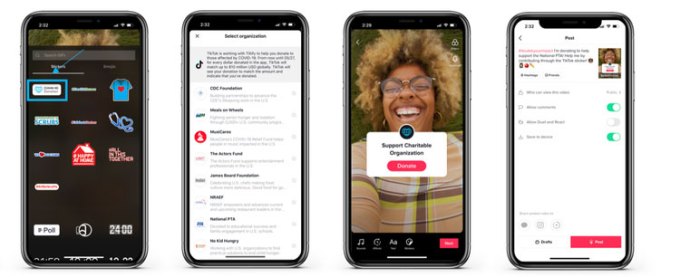
TikTok is making it easier for creators and their fans to donate to favorite charities amid the coronavirus pandemic. The company today announced the launch of a new, interactive feature, Donation Stickers, that creators can use on their videos and live streams in order to raise funds for favorite charities directly in the TikTok app. At launch, these stickers will work to support charitable partners including CDC Foundation, James Beard Foundation, Meals on Wheels, MusiCares, National PTA, National Restaurant Association Educational Foundation, No Kid Hungry, and The Actors Fund.

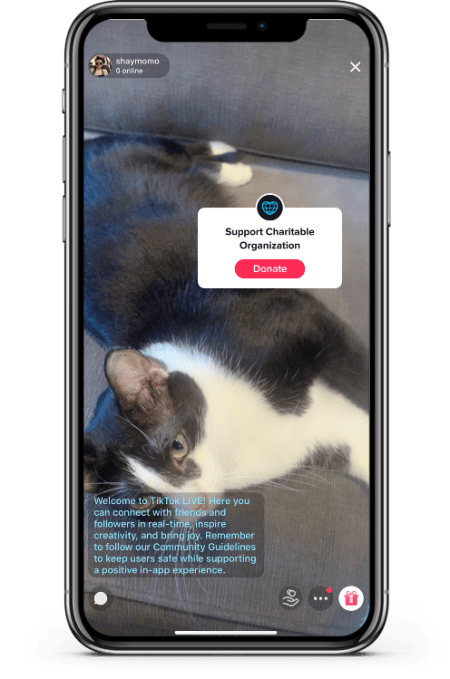
The stickers work like any other, in terms of being added to a video or a TikTok LIVE stream. However, when a user taps on the sticker, they’ll be guided to a pop-up window where they can make a donation to the charity the creator is fundraising for — without ever having to leave the TikTok app.

The donations themselves are being powered by charitable fundraising platform, Tiltify, which handles the payment processing for the donation transactions. Tiltify has experience with donation features embedded in live streams, having previously worked with the Twitch platform on various initiatives.

TikTok says the charitable organizations it partnered with for the launch of the feature includes those whose current missions to support vulnerable groups that are also reflective of TikTok communities.

The app today is among those being adopted by doctors, nurses and other health care workers. These medical professionals see TikTok a means of of connecting younger users with credible health information about the coronavirus outbreak and COVID-19 at a time when conspiracy theories and bogus “cures” are being marketed across social media, and even the president is making dangerous off-the-cuff remarks not backed by science.

In addition, many of the other causes supported by the Donation Stickers align with communities hit hard by coronavirus shutdowns — like actors, musicians, educators and restaurant workers, for example.

The company says it will also match donations raised through the Donation Stickers until May 27th. The hashtag #doubleyourimpact will be automatically added to videos and live streams that use the stickers, as a result.

“During this time of uncertainty, our community has come together and given back in countless ways, from applauding health care workers to sharing inspirational messages on how to stay safe and happy at home to making original coronavirus songs to spread positive messages,” wrote TikTok U.S. Head of Product, Sean Kim, in an announcement about the stickers’ launch. “We’ve been impressed and heartened by the selfless steps our community has taken to help each other, and now we’re excited to be able to give our users another way to make a positive impact.”

The addition of the stickers is one of several ways TikTok has been involved in coronavirus relief efforts. The company earlier this month pledged $250 million to support front-line workers, educators and local communities affected by the COVID-19 pandemic. It also provided an additional $125 million in advertising credits to public health organizations and businesses looking to rebuild.

The donation-matching through the new stickers will come from this $250 million fund. As part of the previously announced Community Relief Fund, TikTok is donating $4 million to No Kid Hungry and Meals on Wheels.

On May 5th through May 9th, TikTok is also hosting a week of TikTok LIVE streams focused on fundraising as a part of the “Happy At Home: #OneCommunity” nightly event.


source https://techcrunch.com/2020/04/27/tiktok-launches-donation-stickers-allowing-creators-to-fundraise-for-coronavirus-relief-efforts/

WhatsApp’s new limit cuts virality of ‘highly forwarded’ messages by 70%

WhatsApp’s bid on cutting virality of messages circulating on its platform by introducing an additional limit earlier this month has already started to pay off.

The Facebook-owned service said on Monday that spread of “highly forwarded” messages sent on WhatsApp had dropped by 70% globally in weeks after introducing a new restriction earlier this month.

In one of the biggest changes to its core feature, WhatsApp said earlier this month that users on its platform can now send along frequently forwarded messages they receive to only one person or a group at a time, down from five. The restriction was rolled out globally to WhatsApp’s 2 billion users on April 7.

“We recently introduced a limit to sharing ‘highly forwarded messages’ to just one chat. Since putting into place this new limit, globally there has been a 70% reduction in the number of highly forwarded messages sent on WhatsApp,” a WhatsApp spokesperson told TechCrunch in a statement.

WhatsApp first introduced a similar limit in 2018, when it restricted users from forwarding a message to more than five people or groups at once. While announcing the new restriction earlier this month, WhatsApp said message forwards on its service had dropped by 25% globally in two years.

“This change is helping keep WhatsApp a place for personal and private conversations. WhatsApp is committed to doing our part to tackle viral messages,” the spokesperson said today.

The cut down on forwards should help WhatsApp assuage the scrutiny it is receiving in many countries, including India, its biggest market.

New Delhi asked WhatsApp and other messaging and social media firms last month to do more to control the viral hoaxes circulating on their platforms about coronavirus infection. This is the latest of several similar advisories India has sent to social media firms operating in the country,

WhatsApp said earlier this month that it had seen a “significant” surge in the “amount of forwarding” in recent weeks that “users have told us can feel overwhelming and can contribute to the spread of misinformation.”

In recent weeks, several users in India have circulated messages, often in good faith, that claimed that treatments had been found to battle coronavirus infection and that there were scientific explanations to back some of the community measures New Delhi had enforced such as asking people to make noise for five minutes or lighting candles and oil-lamps. Fact checkers said that none of these claims were factual.

WhatsApp and its parent firm, Facebook, have taken several efforts in recent months to help governments in many countries, including India, reach their citizens and share authoritative information about the coronavirus pandemic.


source https://techcrunch.com/2020/04/27/whatsapps-new-limit-cuts-virality-of-highly-forwarded-messages-by-70/

What Readers Want During COVID-19: B2B Edition

Posted by amandamilligan

I couldn’t believe the response to my last post about coming up with content ideas in the B2C space during COVID-19. Thank you to all who read and commented — I truly hope it was helpful.

One piece of feedback we received was an ask to see some B2B content ideas, which, frankly, is an excellent subject. At first I was stumped about how to determine this, but then I decided that a different tool could do the trick.

Exploding Topics, the new tool by Brian Dean (Backlinko) and Josh Howarth, explores topics that are surging in popularity but haven’t hit their peak.

This time around, rather than focusing on specific keywords, I focused on overall trends so we can identify which categories might be of interest to your target businesses and their audiences. Then, you can examine whether these trends make sense for your niche and draw inspiration from them for your content.

All things remote

This trend obviously applies to B2C as well, but it’s an important consideration for B2B. Nearly everything has been either canceled, paused, or moved into the world of the virtual. For many companies and industries, this is uncharted territory, and they need guidance.

There is another category I could have included here that focuses on website and app development, programming, and the open source tools that help people build those types of assets as they lean more into digital.

If you’re not one of these B2B providers, there are still ways to gain inspiration from this data. Consider if your brand can provide:

  • The logistics of how to set up remote platforms
  • Best practices on how to make anything remote more successful and engaging
  • Comparison guides for different tools and solutions
  • The platform for people to lend the help and support they’re hoping to (like in the case of virtual tip jars)
  • Communication tips and solutions to help people stay productively connected

Shipping and delivery

Consumers are interested in having things shipped directly to them, but not everyone has the infrastructure to deal with shipping to begin with, let alone an increased order volume with the (understandable) safety limitations now in place.

Consumers and businesses alike are curious about how to make the shipping and delivery process more effective.

Consider if your brand can provide:

  • Guides for small businesses who’ve never had to ship product before
  • Tips on how companies can message shipping updates and delays to consumers
  • Advice on how to improve the delivery component of a business
  • UX or language tips for updating delivery messaging in apps or on websites

Transactions and payment

As we’re all staying six feet away from each other, we’re also trying not to hand off credit cards (let alone cash). Companies used to brick-and-mortar business models are also needing to adapt to fully digital payment systems.

Not all of these searches apply to business (like Venmo), but they do point to a concern everyone’s having: How do we pay for things now?

Consider if your brand can provide:

  • Answers about privacy or security questions people have regarding digital payments
  • A detailed list of all the payment options available
  • Advice on how to optimize storefronts and purchasing processes
  • Explanations of how payment processes can impact sales, and how to optimize them

Design tools

This section speaks to an overall trend I touched on before: Professionals now build their own assets if they can’t afford to hire web developers, designers, etc. More and more people are trying to figure out how to keep their businesses going when they can’t keep on as much staff or hire as many contractors.

Perhaps you can identify what your target audience might be struggling with and suggest free or inexpensive online tools to help.

Consider if your brand can provide:

  • A list of tools that can assist your target audience in communicating, organizing, creating, etc.
  • Design advice to help them get up to speed as quickly as possible
  • Resources in how to complete tasks on a smaller team
  • Recommendations for what should be prioritized when money is tight

Ethical trends

This is perhaps the most fascinating trend I saw arise. The four brands below have something in common: they all have to do with either sustainability or a transparent, mission-driven approach.

My theory is now that people don’t have as much disposable income, they’re becoming more mindful in their shopping choices, selecting items they believe match their own values.

Consider if your brand can provide:

  • A greater level of analysis on this potential trend
  • Research into how the consumer perspective has shifted during COVID-19
  • Advice on how to potentially shift marketing, branding, and advertising messaging
  • Tips on how your target audience can better understand their marketing during this tumultuous time

And finally (*sigh of relief*), marketing

Yes, as I was doing my research, my instinct that marketing would remain crucial during this time was confirmed.

That doesn’t mean you won’t lose business. We’ve had clients pull back because even though they’d like to keep marketing, keeping the company afloat by fulfilling their product orders and services and paying their employees will always (and very understandably) come first by a long shot.

But for businesses that can still afford marketing, they’ll likely need it, and they’re looking for the tools and insight they need to thrive.

Consider if your brand can provide:

  • Marketing 101 tips for smaller businesses
  • Specific how-to guides for different aspects of inbound or outbound marketing
  • Tool recommendations to help people get marketing tasks done quickly and cheaply
  • Advice on the kind of marketing that’s most successful during an economic downturn

Conclusion

Remember: This is only for inspiration. What matters most is what your target audience needs and wants. Put yourself in their shoes to be able to best address their challenges and concerns.

But hopefully some of these concepts spark some ideas for how your B2B brand can provide value to your target audiences. Companies around the world are looking for guidance and support now more than ever, and if you’re in a position to provide it to them, your content can go a long way in building trust.


Sign up for The Moz Top 10, a semimonthly mailer updating you on the top ten hottest pieces of SEO news, tips, and rad links uncovered by the Moz team. Think of it as your exclusive digest of stuff you don't have time to hunt down but want to read!


source https://moz.com/blog/what-readers-want-during-covid19-b2b

Friday, 24 April 2020

Facebook to launch ‘virtual dating’ over Messenger for Facebook Dating users

Facebook will soon allow users to go on “virtual dates,” the company announced today. The social network is planning to introduce a new video calling feature that will allow users of its Facebook Dating service to connect and video call over Messenger, as an alternative to going on a real-world date. This sort of feature is much in demand amid the coronavirus pandemic, which has forced people to stay home and practice social distancing.

But for online dating apps which aim to connect people in the real world, it’s a significant challenge for their business.

For the time being, government lockdowns have limited the places where online daters could meet up for their first date. Restaurants, malls, bars, and other retail establishments are closed across regions impacted by the coronavirus outbreak. But even when those restrictions life, many online dating app users will be wary of meeting up with strangers for those first-time, getting-to-know-you dates. Video chat offers a safer option to explore potential connections with their matches.

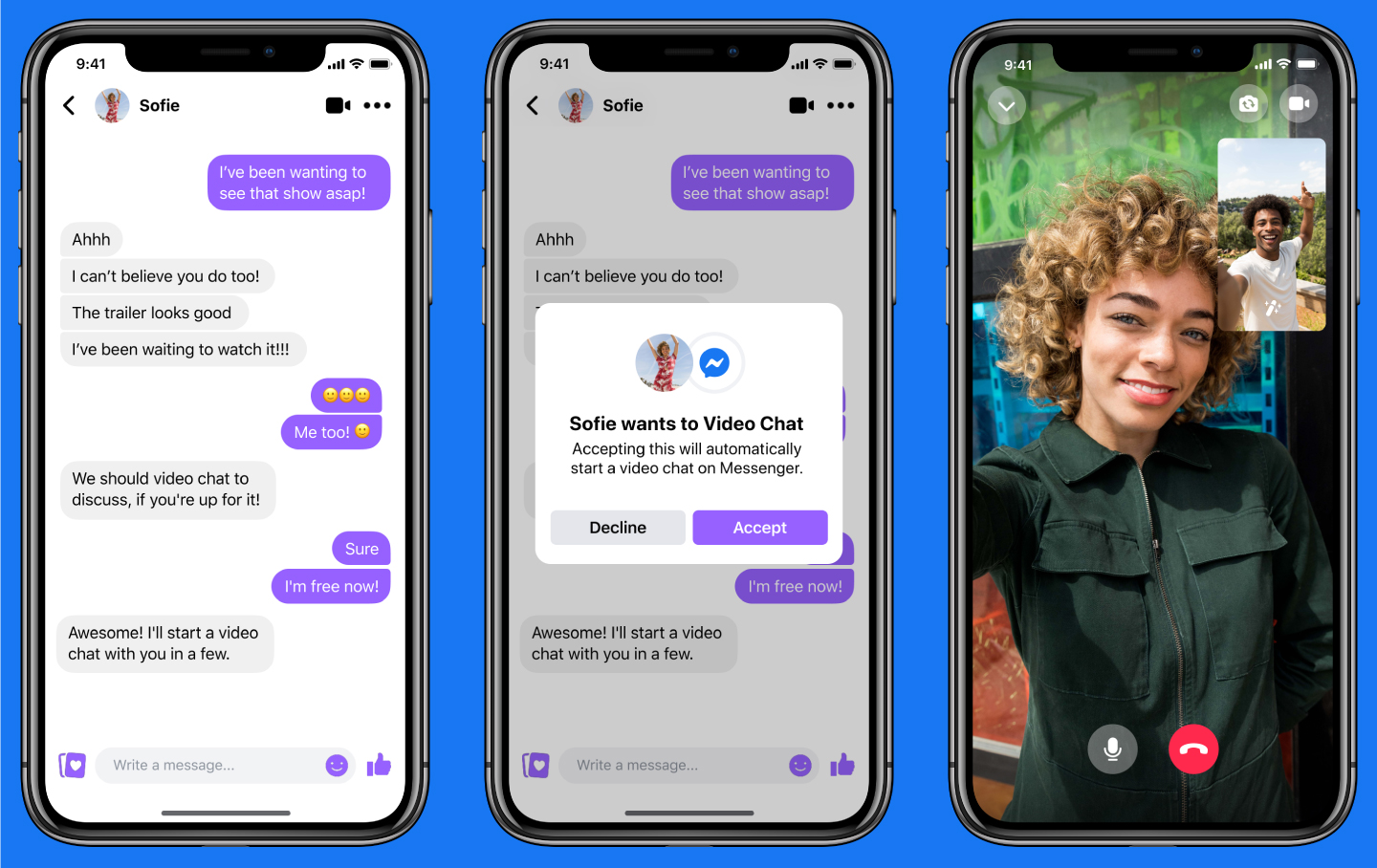
When the new Facebook Dating feature goes live, online daters will be able to invite a match to a virtual date. The recipient can either choose to accept or decline the offer via a pop-up that appears.

If they accept, the Facebook Dating users will be connected in a video chat powered by Facebook Messenger in order to get to know one another.

As the feature is still being developed, Facebook declined to share more specific details about how it will work, in terms of privacy and security features.

Facebook is not the first online dating service to pivot to video as a result of the pandemic. But many rival dating apps were adopting video features well before the coronavirus struck, as well.

Bumble, for example, has offered voice and video calling in its app for roughly a year. The feature there works like a normal phone call or Apple’s FaceTime. However, users don’t have to share their phone number or other private information, like an email address, which makes it safer.

The company says use of the feature has spiked over the last two months as users embrace virtual dating.

Meanwhile, Match Group has more recently rolled out video across a number of the dating apps it operates.

This month, the Match app added video chat that allows users who have already matched to connect over video calls. Match-owned Hinge also rolled out a “Dating from Home” prompt and is preparing its own live video date feature, as well, Match says. Plenty of Fish (PoF), another Match property, launched livestreaming in March, giving singles a new way to hang out with friends and potential matches.

Match Group’s flagship app Tinder has not yet embraced live video dates, but still offers a way for users to add video to their profiles. The company couldn’t comment on whether or not video dating was in the works for Tinder, but in the post-COVID era, it would be almost bizarre to not offer such feature.

Other dating apps have also launched video dating, including eHarmony and a number of lesser-known dating apps hoping to now gain traction for their video dating concepts.

Facebook says the feature will roll out in the months ahead and will be available everywhere Facebook Dating is available.


source https://techcrunch.com/2020/04/24/facebook-to-launch-virtual-dating-over-messenger/

Facebook launches drop-in video chat Rooms to rival Houseparty

Facebook is co-opting some of the top video chat innovations like Zoom’s gallery view for large groups and Houseparty’s spontaneous hangouts for a new feature called Rooms. It could usher in a new era of unplanned togetherness via video.

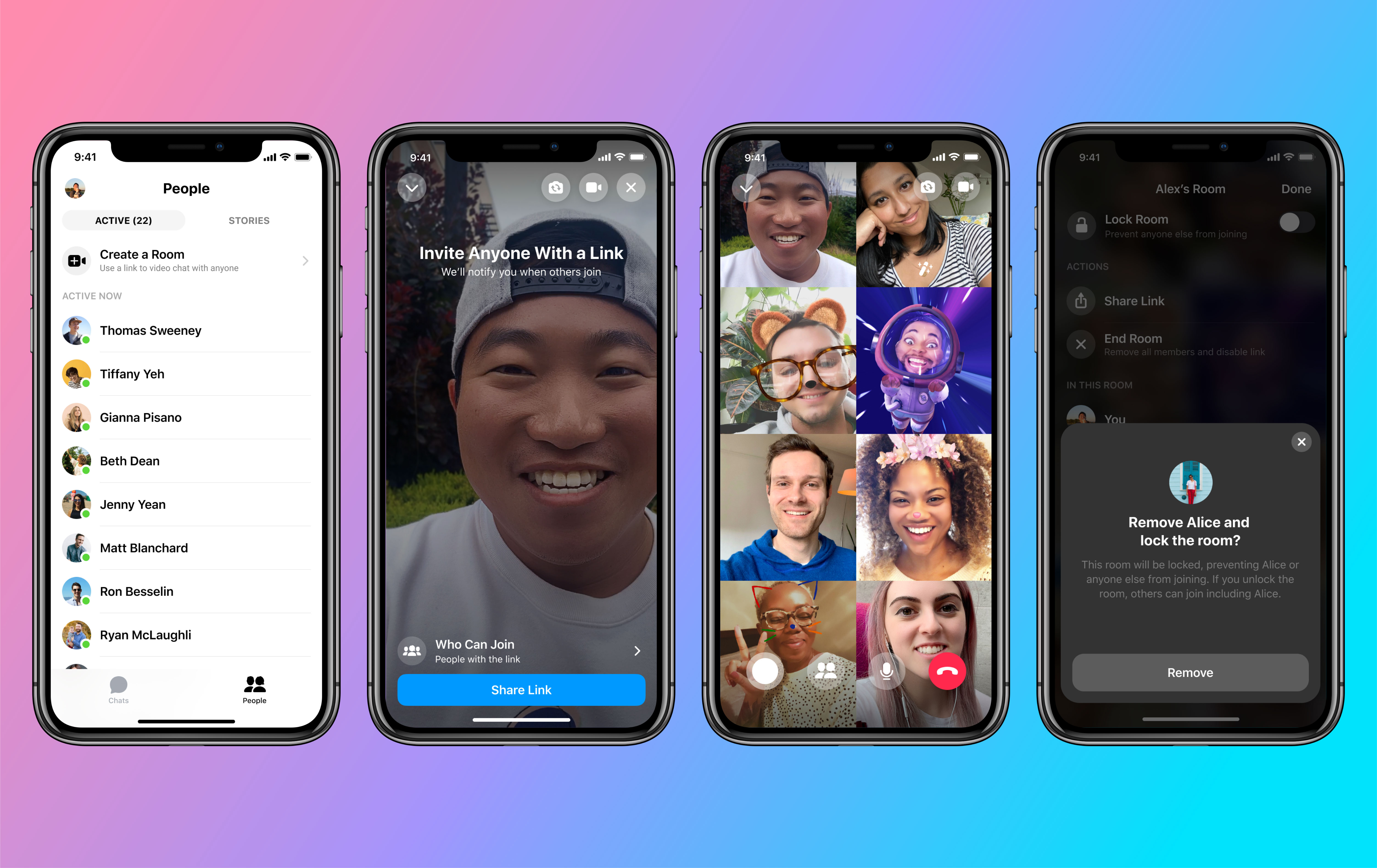
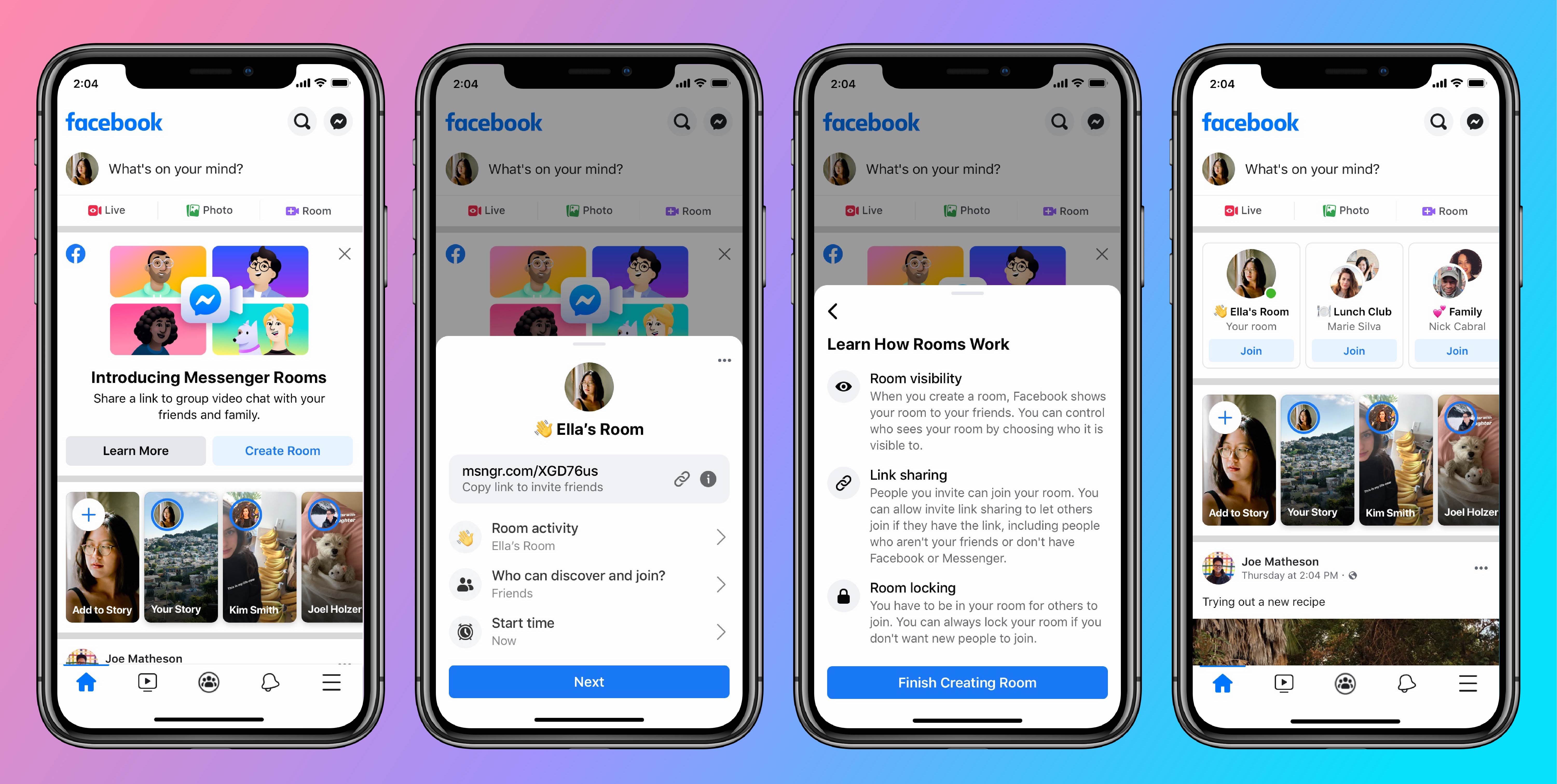
Launching today on mobile and desktop in English speaking countries, you can start a video chat Room that friends can discover via a new section above the News Feed or notifications Facebook will automatically send to your closest pals. You can also just invite specific friends, or share a link anyone can use to join your Room.

For now, up to 8 people can join, but that limit will rise to 50 within weeks, making it a more legitimate alternative to Zoom for big happy hours and such. And more importantly, users will soon be able to create and discover Rooms through Instagram, WhatsApp, and Portal, plus join them from the web without an account, making this Facebook’s first truly interoperable product.

“People just want to spend more time together” Facebook’s head of Messenger Stan Chudnovsky tells me. One-on-one and group video calling was already growing, but “Now in the time of COVID, the whole thing is exploding. We already had a plan to do a bunch of stuff here [so people could] hang out on video any time they want, but we accelerated our plans.” There’s no plans for ads or other direct monetization of Rooms, but the feature could keep Facebook’s products central to people’s lives.

Facebook Goes All-In On Video

The launch of Rooms comes alongside a slew other video-related updates designed to shore up Facebook’s deficiency in many-to-many communication. It already owns the many-to-one feeds and has emerged as a leader in one-to-many livestreaming, but “the middle piece needed way more investment” Chudnovsky says.

Here’s a rundown of the other announcements and what they mean:

  • Virtual And 360 Backgrounds with mood lighting – Facebook will soon launch the ability to choose a virtual background to cover up what’s behind you on a video call, including 360 backgrounds that look different as you move around, plus mood lighting to make you look better on camera

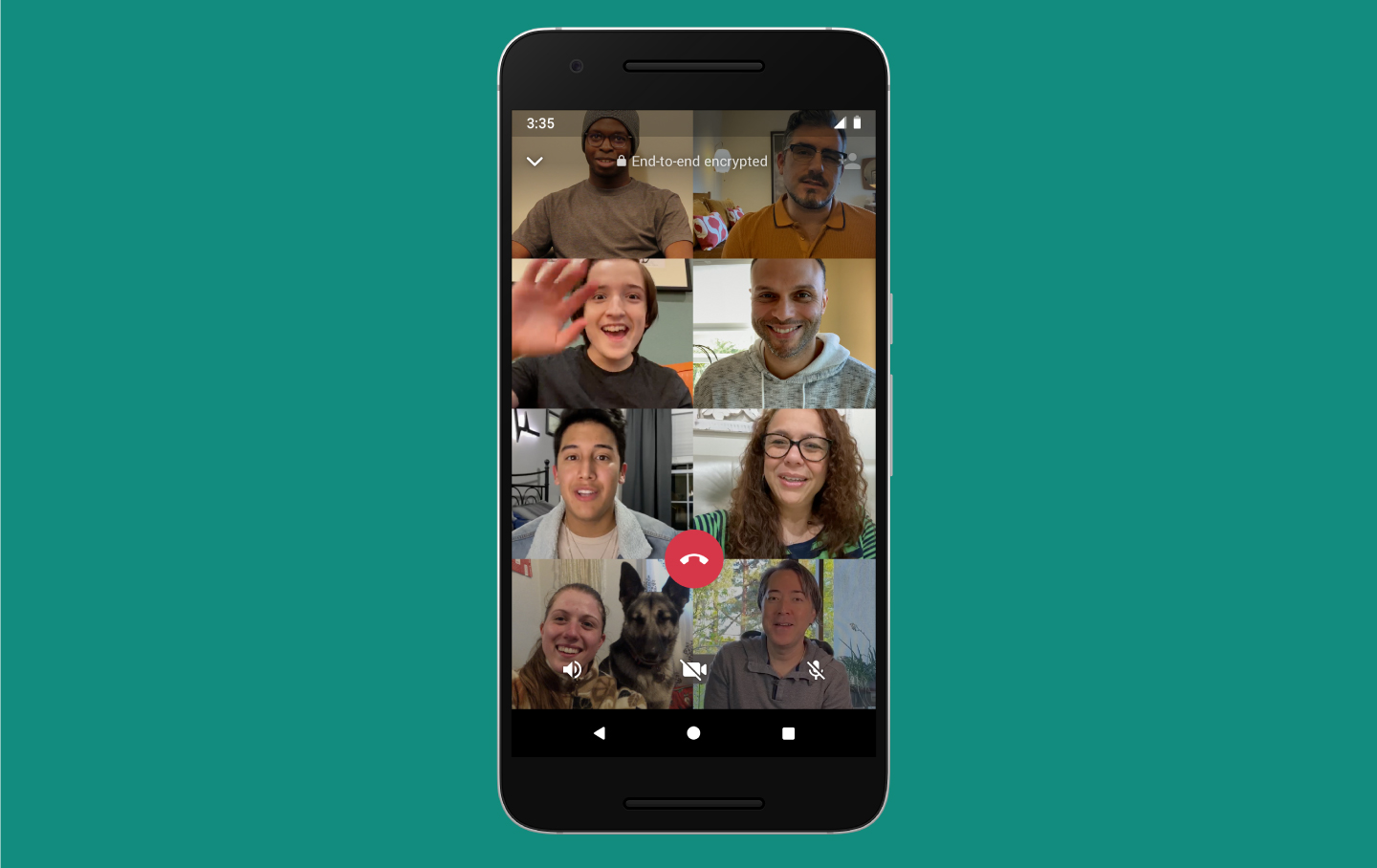
  • WhatsApp expands group calls from four to eight max participants – Encompassing larger families and friend groups makes WhatsApp a more viable competitor to Zoom

  • Facebook Live With returns – It’s tough to be the center of attention for long periods, so being able to bring a guest on screen during Live calls keeps them interesting and low pressure
  • Donate button on live videos – This makes it much easier for musicians, activists, and normal people to raise money for causes during the coronavirus crisis
  • Live via audio only – With more musicians bringing their tours to Facebook Live, now you can listen while still going about your day when you can’t watch too or want to conserve data, and you can use a toll-free number to dial in to some Pages’ videos
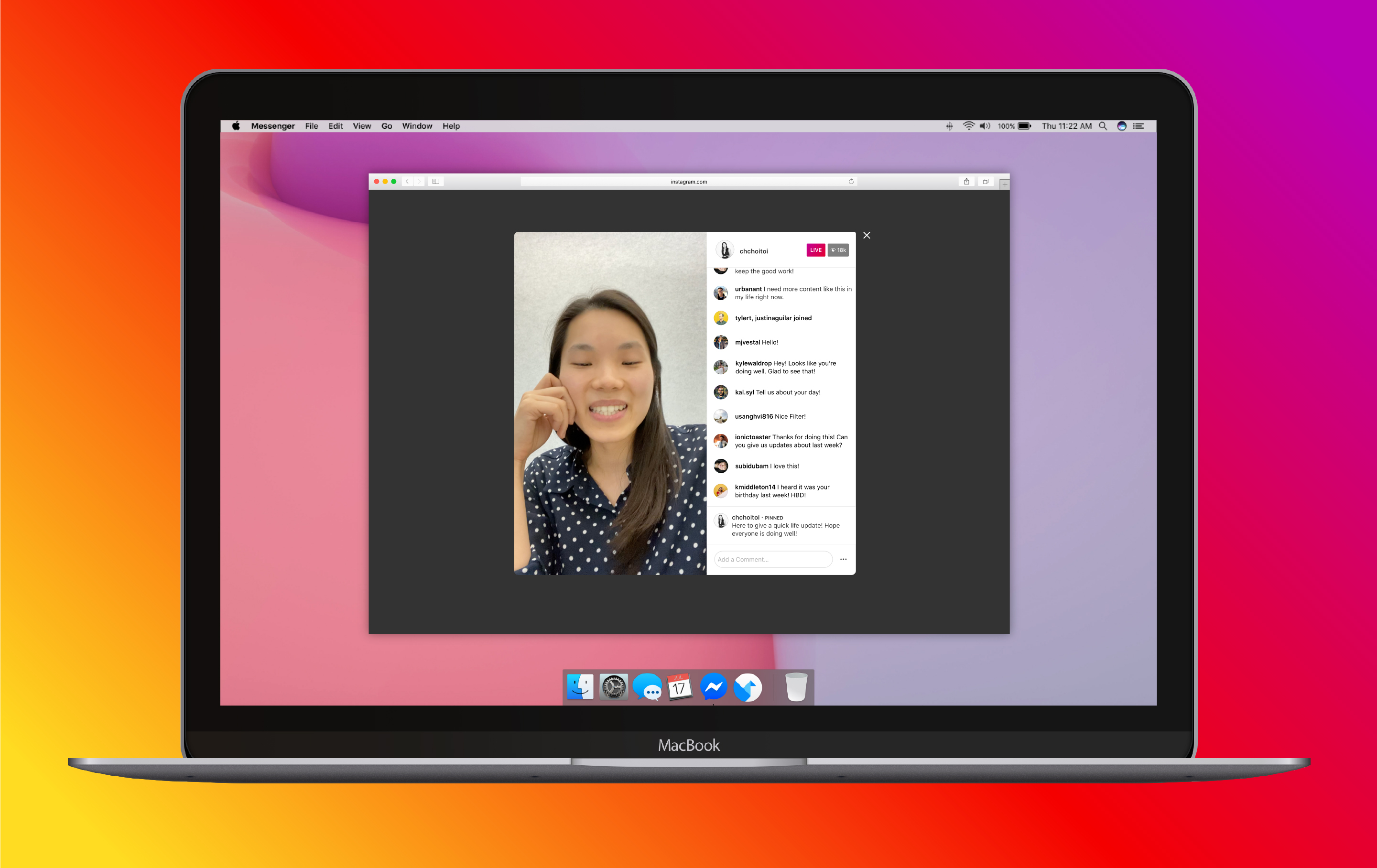
  • Instagram Live on web – You can now watch Live videos and comment from desktop so you can multi-task during longer streams

  • Live on IGTV – Long live videos won’t have to disappear since they can now be saved to IGTV, encouraging higher quality Instagram Lives meant to last
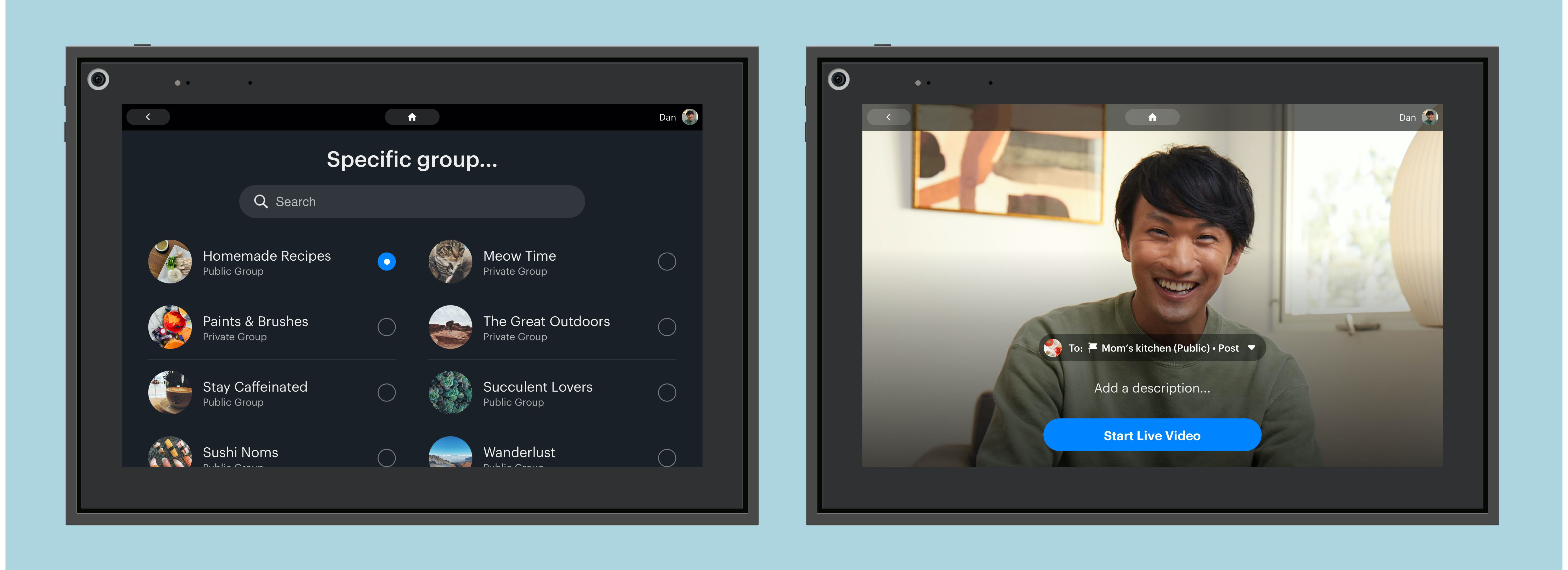
  • Portal Live – You’ll now be able to go Live to Pages and Groups from Portal devices so you can move around while streaming

  • Facebook Dating Video Chat – Rather than going on a date where you have no chemistry, you’ll be able to video chat with matches on Facebook Dating to get a feel for someone first.

How To Use Facebook Rooms

Facebook strived to make Rooms launchable and discoverable across all its apps in hopes of blitzing into the space. You can launch a Room from the News Feed composer, Groups, Events, the Messenger inbox, and soon Instagram Direct, WhatsApp, and Portal. You’ll be able to choose a start time, add a description, and choose who can join in three ways.

You can restrict your Room just to people you invite, such as for a family catch-up. You can make it open to all your friends, who’ll be able to see it in the new Rooms discovery tray above the News Feed or inbox and eventually similar surfaces in the other apps. In this case, Facebook may notify some close friends to make sure they’ll see it. Or you can share a link to your Room wherever you want, effectively making it public.

Facebook clearly watched the PR disaster that emerged from Zoombombing, and purposefully built security into Rooms. The host can lock the room to block people from joining via URL, and if they boot someone from a Room, it automatically locks until they unlock it. That ensures that if trolls find your link, they can’t just keep joining from the web.

The Uncopyable Copier

Facebook has been quietly working on Rooms since at least 2017, exploring how to make group chats discoverable. It tried a standalone app for group video chat discovery called Bonfire that year. In fact, Facebook launched a standalone app called Rooms back in 2014 for anonymous forums. The genius of this launch is how it combines three of Facebook’s biggest strengths to build a product that copies others but is hard to copy itself.

The ubiquity of its messaging apps and web compatibility make Rooms highly accessible, without the friction of having to download a new app.

The frequency of visits to its feeds and inboxes where Rooms can be found by the family of apps’ 2.5 billion users plus Facebook’s willingness to bet big by sticking Rooms atop our screen like it did with Stories could unlock a new era of spontaneous, serendipitous socializing.

The social graph we’ve developed with great breadth across Facebook’s apps plus the depth of its understanding about who we care about most allow it to reach enough concurrent users to make Rooms fun by intelligently ranking which we see and who gets notifications to join rather than spamming your whole phone book.

No other app has all of these qualities. Zoom doesn’t know who you care about. Houseparty is growing but is far from ubiquitous. Messaging competitors don’t have the same discovery surfaces.

Facebook knows the real engagement on mobile comes from messaging. It just needed a way to make us message more than our one-on-one threads and asynchronous group chats demanded. Rooms makes video calls something you can passively discover and join rather having to actively initiate or be explicitly pulled into by a friend. That could significantly increase how often and long we use Facebook without the deleterious impacts of zombie-like asocial feed scrolling.

For more of this author Josh Constine’s thoughts on tech, join his newsletter Moving Product


source https://techcrunch.com/2020/04/24/faceboo-launches-drop-in-video-chat-rooms-to-rival-houseparty/

Coronavirus could push consumers away from influencers and toward streaming TV

As the nation struggles with a pandemic and economic uncertainty, fundamental shifts in consumer habits are leading marketers to rethink existing strategies and budgets allocated to influencers and streaming TV.

These significant shifts are nothing new; just as the dot-com bubble reduced landline penetration and boosted mobile phone adoption, the last recession pushed traditional ad spend to digital. It was an option before, but the recession accelerated the trend to targeting select audiences on social media platforms, giving rise to influencers.

Today, social media influencers are so ubiquitous, they risk becoming meaningless.

Prior to the onset of coronavirus, we saw the influencer trend diminishing while the streaming TV trend became more prominent. Today, streaming is still trending up and influencers have actually seen increased levels of engagement, but they face credibility issues, which could lead to a reduction in perceived value to brands.

Streaming has similar, if not more, targeting capabilities as social media, but now it has the eyeballs — the captive audience of quarantined Americans — up 20% this March, according to Nielsen. Marketers on a tight budget will be forced to reevaluate their relationships with influencers as they seek to increase ad spend on streaming TV services.

The evolving realms of influencers


source https://techcrunch.com/2020/04/24/coronavirus-could-push-consumers-away-from-influencers-and-toward-streaming-tv/