Actor and Hollywood media mogul Will Smith surprised the TechCrunch Disrupt SF 2019 audience this afternoon by announcing he would invest $10K in a startup that pitched to him onstage as part of “elevator pitch” contest, where the winner would get to take a selfie with the star. The company, Socionado.com, helps companies with their social media presence. However, what got Smith’s attention was their well-delivered pitch, he said.
The startups didn’t get much time to prepare, having been plucked from the Startup Alley earlier in the day.
In addition to responding well to the pitch itself, Smith also liked the concept and the business model.
“As I built out my social media team, that was the idea — I wanted to take back my storytelling,” said Smith. “I think that’s hugely important.”
“That was really the best pitch so we’re gonna rock a selfie,” Smith said, jumping up to snap a photo with the founder.
Smith’s investment strategy isn’t usually this off-the-cuff, however.
Speaking onstage at the Disrupt conference, he also offered more details on his plans for Dreamers VC, the investment firm founded with Japanese soccer star Keisuke Honda, which was announced last year by Honda’s management firm KSK Group.
Smith noted the firm has an interest in “doing good” with its funds — pointing, in particular, to an investment in “Boring tech.” (He actually means The Boring Company, per the Dreamers VC website, where it’s listed alongside a host of others.)
He also offered a little background on how Dreamers VC came to be in the first place.
“Well, you know, I met with [Keisuke Honda] and we just hit it off immediately. And, you know, we felt like there was a beautiful intersection between being able to create businesses, but also to stay focused on solving problems of the world,” Smith explained. Honda already had banking relationships in Japan that were looking to make their way into the U.S.
“So the relationship worked out well,” he said.
Plus, Smith adds, “I had already been investing and he had already been in investing and our values were were in alignment. We want to solve some of the world’s problems. We want to do well by doing good.”
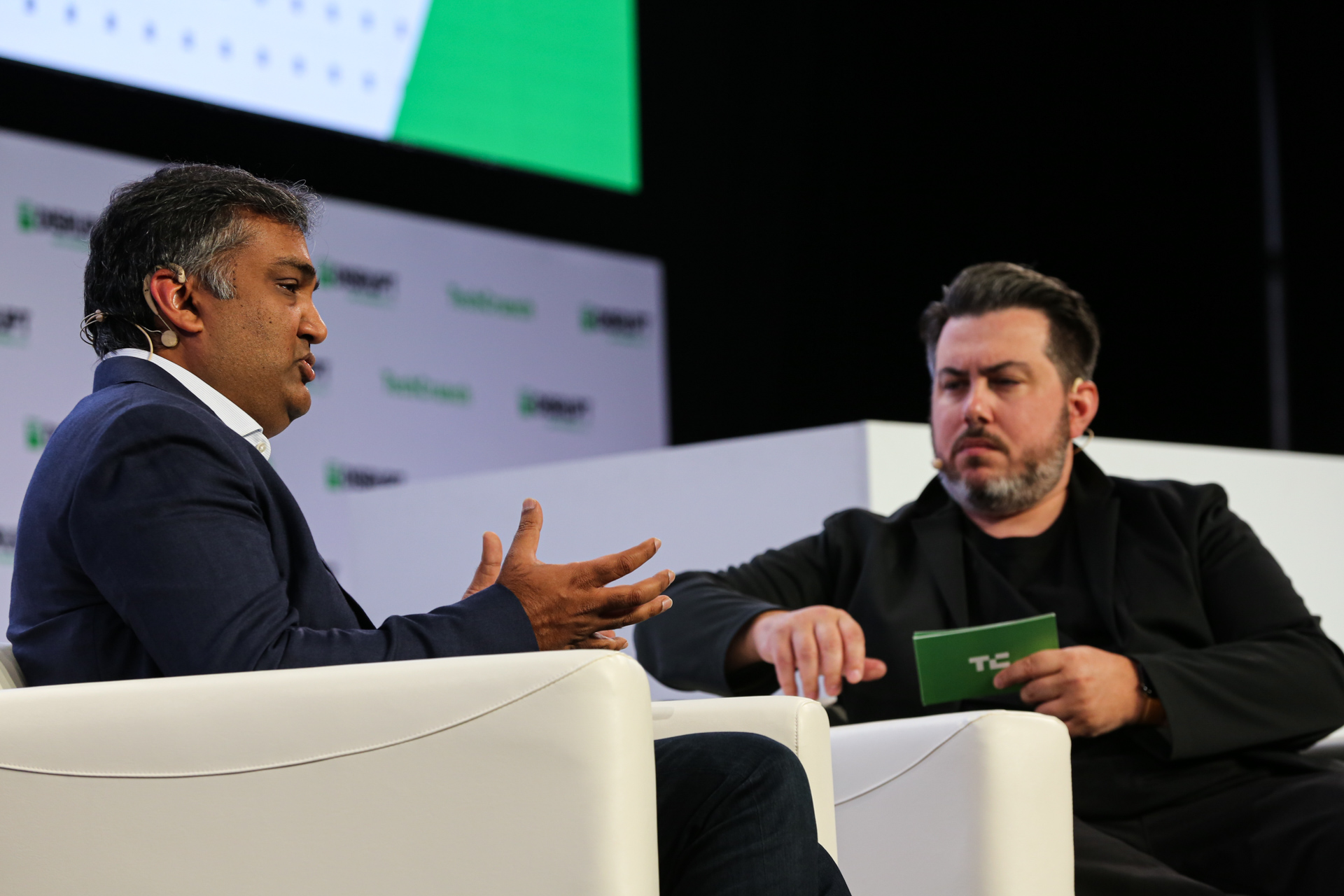
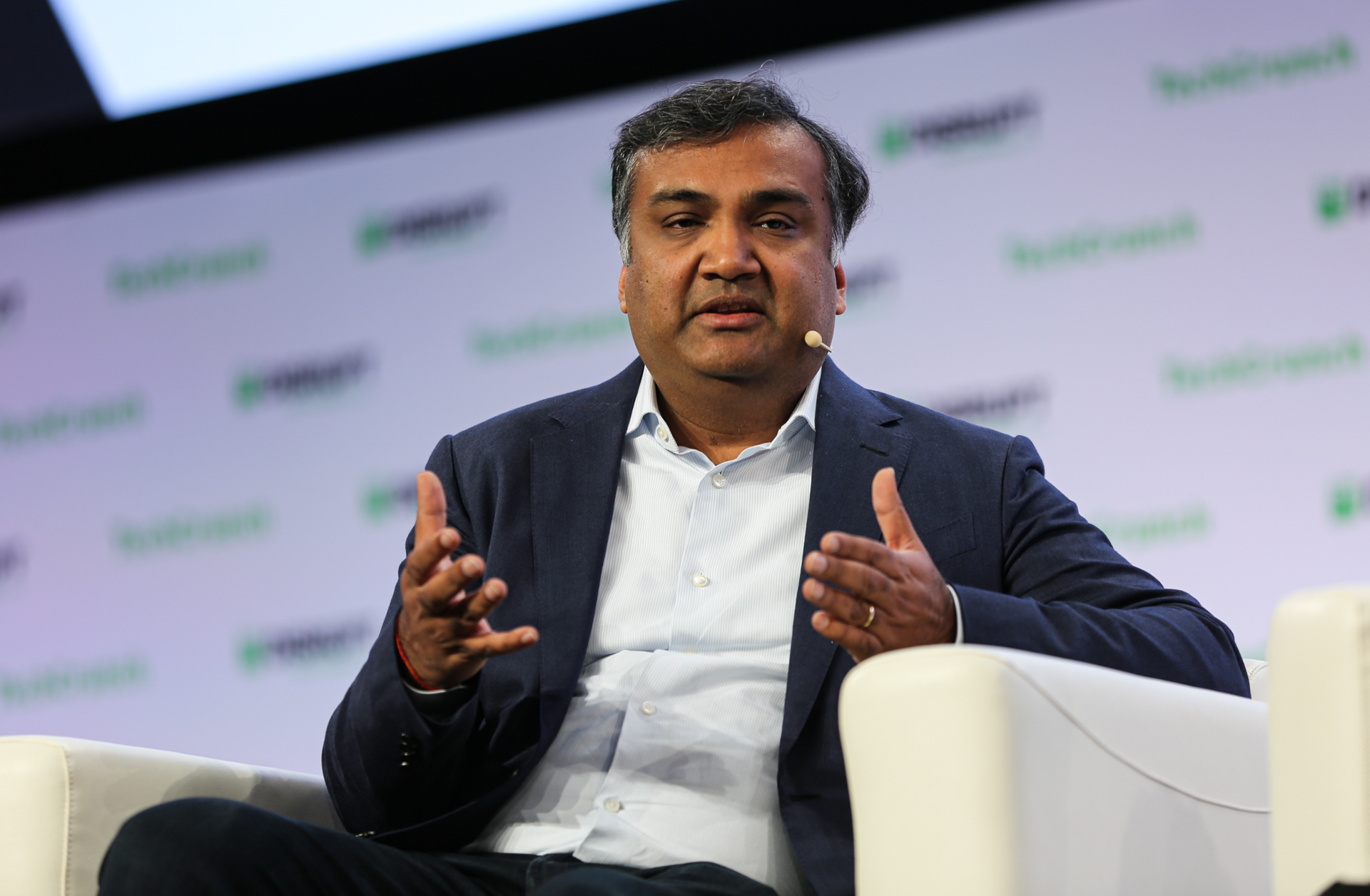
YouTube Chief Product Officer Neal Mohan gave an update on all things YouTube at TechCrunch Disrupt SF. He touched on many different subjects, from YouTube Music updates to advertiser-friendly guidelines and tweaking YouTube’s recommendation algorithm.
Mohan started right away with an update on YouTube Music. YouTube has accidentally become one of the biggest music streaming services in the world. And the company plans to take advantage of that.
“Everybody knows music has been a core part of YouTube really since the day of the founding of the product,” he said.
While YouTube Premium started as YouTube Red, the company rebranded its premium subscription service with a focus on YouTube Music. "It's a music subscription service and it also brings the best of YouTube,” Mohan said.
It is now available in 71 different countries and YouTube is rolling out three personalized playlists today to make the service more competitive with Spotify and Apple Music.
With a renewed focus on YouTube Music, Google has decided to phase out Google Play Music to focus on YouTube Music instead. But there are still some missing features on YouTube Music.
In particular, YouTube is working on porting three Google Play Music features: The ability to have a locker with personal music files, the ability to play local audio files on your Android device and the ability to transfer your playlists from Google Play Music to the YouTube Music app.
“We'd like to do it in the near future and but we want to make sure we nail that,” Mohan said. So it’s still a work in progress.
Many YouTube creators have criticized the platform as some of their videos have been demonetized. Mohan mostly recapped some of YouTube’s efforts on this front to make sure that videos aren’t demonetized for no reason.
“In addition to our community guidelines, we also have something called the advertiser-friendly guidelines. Those are the sets of rules that govern what type of content is eligible for monetization and what is not,” Mohan said.
The company now has an appeal system so that creators can contest a demonetization decision. “There's an SLA turnaround time for processing that appeal,” Mohan said.
YouTube creators themselves can give advance warnings by saying what’s in a video, such as swear words, etc. Mohan believes that this model will make monetization more stable for YouTube creators.
When it comes to autoplaying videos, watch next and personalized recommendations, YouTube has also been criticized for recommending conspiracy videos or simply weird stuff that makes you uncomfortable.
“Lots of users are recommended content that you would call sort of more mainstream sometimes it’s in the other direction,” Mohan said. “And one thing that we want to avoid is sending users down paths to more and more extreme content, especially when that content might not be quite policy violations — so it still exists on our platform — but it's borderline in nature or maybe it's spreading you know harmful misinformation in some way or the other.”
YouTube started tweaking the recommendation algorithm back in January. Mohan says that there’s been a 50% reduction in user exposure to content “that we would deem to be in that bucket of sort of borderline or maybe harmful misinformation.”
TechCrunch’s Matthew Panzarino and Neal Mohan also talked about Lilly Singh, a YouTube star who now has her own late night talk show on NBC — A Little Late with Lilly Singh.
“When they were looking for a replacement host for that late night show, it made sense,” Mohan said. “Lilly has this natural way of connecting with the audience. But also because the nature of a lot of that late night content in particular is that it's often viewed — not as it's linearly broadcasted on live channels — but the next day on YouTube.”
And Mohan doesn’t think she’s turning her back to YouTube. “She knows that her core audience, her most passionate fans are on YouTube,” he said.
Finally, Mohan had two pieces of advice for people working on subscription businesses. First, make sure that the message is clear and that people know why they should subscribe. Second, optimize the funnel from user acquisition to retention, monetization, etc.
Multiplayer games are more fun when you get to play with the same crew regularly. Playing with the same people means better cooperation, deeper strategies, and, if all goes well, more wins.
But what if none of your friends play the game you want to play?
Rune, a company out of Y Combinator’s Winter 2019 class, wants to use AI to help you find the right people to play with, connecting you via voice chat. And they’ve just closed a $2M seed round to get it done.
The round was led by the gaming-focused firm Makers Fund, and backed by byFounders, E14 Fund, VentureSouq, and Gmail creator Paul Buchheit.
The first game they’re supporting is Brawl Stars, the popular free-to-play mobile game built by Clash of Clans creator Supercell. It’s a pretty perfect game for something like this — it’s a game where strategic teams have a solid advantage, but where building such a team from scratch can be tough. Brawl Stars will automatically match you with teammates if you’re playing alone, but in-game communication is limited and random players tend to only hang around for a game or two.
Supercell’s Brawl Stars
When you first sign up, Rune asks you a handful of questions to start tuning their matchmaking algorithm. Which language(s) do you speak? How much Brawl Stars have you played (how many “trophies” have you earned?) What sort of gameplay are you looking for right now — are you just messing around, or are you looking for nothing but wins? Push a button, and the matchmaking system starts its search.
The more you play, the better the algorithm is tuned. If you seem to have longer play sessions with certain players, for example, it can prioritize matchmaking you with players their algorithms see as similar. (For the curious: while they will tune the matchmaking algorithms based on metadata like who you’re chatting with and for how long, Rune co-founder Sanjay Guruprasad tells me that they don’t store or analyze the actual voice communication in any way.)
The company says that players have collectively spent around 50,000 hours chatting through the app since launching in March of 2019.
Rune’s matchmaking and voice chat systems are currently limited to two players. Since Brawl Stars (and plenty of other Battle Royale/arena style games) have game modes that support up to three players per team, Sanjay tells me that 3-player matchmaking and voice chat are “both in the pipeline and will come out soon.”
Rune plans to support other games beyond Brawl Stars in the future — in fact, driving traffic to other games is part of their plans to monetize the free app. Once you’ve befriended someone, you’re free to use Rune for voice chat with whatever game you want; it just runs in the background, so what you’re playing doesn’t matter too much.
As Facebookprepares to launch a “news tab” this month featuring news stories curated by humans to complement the headlines that appear in your social feed generated by your friends’ shares, paid promotions and algorithms, a new report paints a damning picture of how social media is viewed as a news platform today.
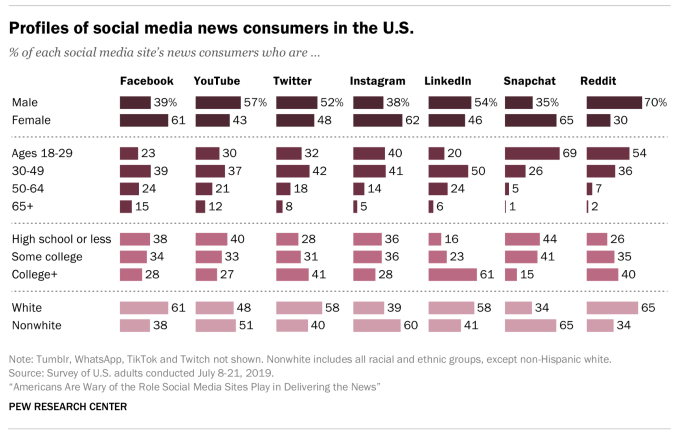
Pew social media news consumption
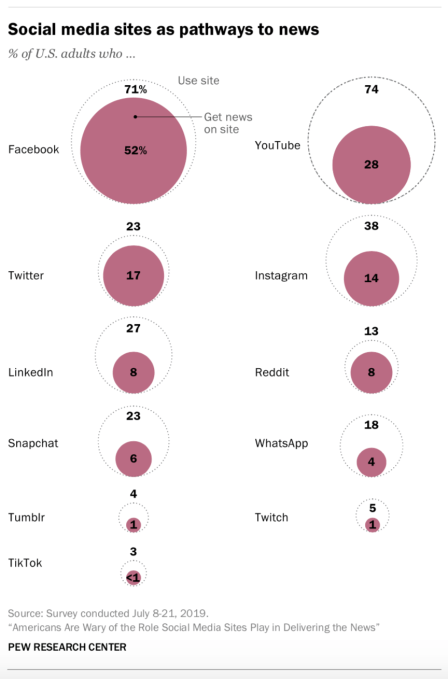
A survey from the Pew Research Center found that more than half of the U.S. adults surveyed by the group this past July — some 52% — already get their news from Facebook, making it the most popular social platform for news sourcing, with YouTube and Twitter the second- and third-most popular at 28% and 17%, respectively, and a variety of other platforms like Instagram, LinkedIn, Reddit and Snapchat also making smaller but notable appearances.
Overall, a full 88% of all those surveyed believed that social media has “at least some control” over the news people see.
But sentiments about that control are poor.
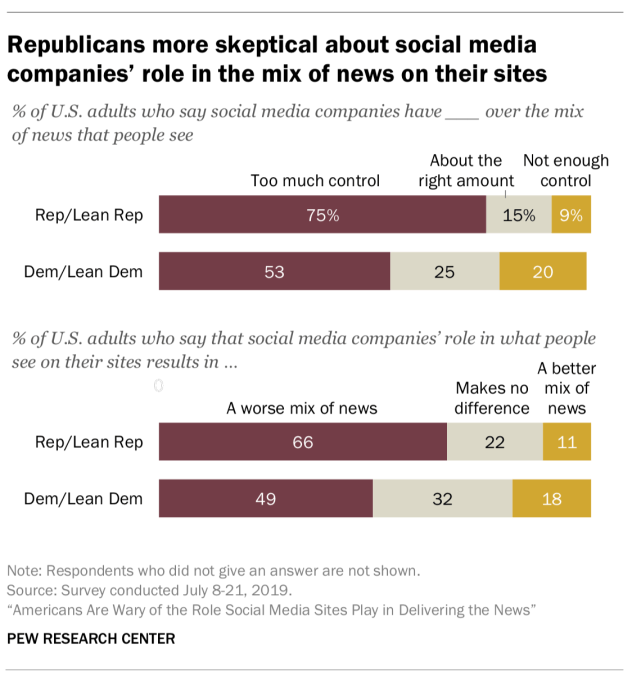
A majority — 62% — of respondents believe social media has “too much control” over the mix of news we see on their platforms, and 55% said they believed that this results in a worse mix of news. A full 53% identified one-sided news and 51% named inaccurate news as “very big problems” on social media.
The findings are unsettling: They underscore an already huge amount of power that the likes of Facebook have when it comes to news consumption, but they also underscore how people seem to have already determined that the effect of that has been bad.
The findings also come on the heels of disturbing stories about how much those platforms get manipulated by bad actors. The stories of how political groups and state actors hiding their identities have promoted misleading stories on social platforms stretch back years at this point, but even as the platforms work to try to identify and take down these accounts, other misuse that is less hidden continues to arise.
Just last month, it was found that those promoting stories through paid channels (advertising, that is) can rewrite news headlines to fit their own political agendas, shifting the tone of the news for the vast majority of people who never click through to stories and only read the summary headlines as they scroll to see the latest pictures of their friends’ kids.
And it’s not just bad news for consumers. Publishers have long lamented that they don’t get a cut of any kind on the revenues that social platforms make from sharing their stories and turning them into monetizing traffic, and there has been some thinking that this would soon change as a result of increased regulatory scrutiny. However, a report in the WSJ this week implies that this might not be changing anytime soon. It claims that Facebook will only be paying a small handful of the publishers whose content will get shared in its human-curated news tab.
Drilling into some of the more interesting details, Pew found that Republicans are more cynical about the effect of social media on news than Democrats, with 75% of those on the right believing that social media has too much control, versus 53% of those on the left. Ironically, these numbers appear to run counter to the assumption that social media is an echo chamber of your own opinions.
Pew also notes that 48% of social media news consumers — recall that more Republicans than Democrats believe social media sites have too much control — believe the news they see is “liberal or very liberal.” That compares to 14% believing news is conservative or very conservative. This would support the feeling among many on the right that the media is too liberal, but also that they are being fed news that is not in keeping with their own political leanings.
The survey also puts paid to the recent report about how only a handful of publishers will get paid by Facebook: 82% of respondents feel that not all news sources are treated equally by social media now — meaning some get more circulation than others. Some 88% believe that those publishing “attention-grabbing” articles, otherwise known as “click bait,” are more likely to appear in the feed. And, 84% believe that social media following plays an important role, and 79% believe that the political leaning of the story affects how much it appears in your feeds.
On the division between male and female readers, the report’s findings are not unsurprising and follow much of the same lines we’ve seen in other social media surveys: the likes of Reddit lean heavily to male readers, while Facebook leans female.
Lastly, while the report is more about bias in news and sentiment around that, it’s interesting to note which platforms are appearing here and in what concentration. TikTok — which many think could be the next big juggernaut in social — is at less than 1 % when it comes to being a platform for getting news. Snapchat, meanwhile, also is languishing at a mere 6% for news delivery.
Given their heavy concentration on younger users, this points to the fact that younger people are not really using any social channels to get news, but also that they are not particularly interested in reading news. Social platforms may currently be positioned as pariahs in the news landscape, but they don’t have to be: these could also be opportunities to change the conversation, bringing in more people who traditionally are not being cut in.
Pew surveyed 5,107 respondents from its American Trends research panel from July 8 to July 21.
The Daily Crunch is TechCrunch’s roundup of our biggest and most important stories. If you’d like to get this delivered to your inbox every day at around 9am Pacific, you can subscribe here.
In leaked audio of a Facebook all-hands meeting, Mark Zuckerberg described TikTok as “almost like the Explore Tab that we have on Instagram.” But Josh Constine argues that this is a serious misunderstanding of the app, which is more like a new form of social entertainment.
These distinctions matter because TikTok is a rapidly growing force in social media, a.k.a. a significant threat to Facebook and Instagram. And how can Zuckerberg beat what he doesn’t understand?
Microsoft’s press event is currently underway as I write this newsletter, but it has already announced a new piece of hardware — the latest version of the Surface Laptop, with pricing starting at $999 for the 13-inch model.
The FCC’s repeal of net neutrality rules has been significantly weakened by a federal appeals court, which ruled that the Commission could not preempt state laws like those pending in California. In fact, one judge called the FCC’s logic “unhinged from the realities of modern broadband service.”
In October of 2018, Y Combinator published a mega list of the top 101 companies to have gone through the accelerator, as sorted by each company’s valuation. This morning they updated the list, with Airbnb and Stripe have swapping the top spots.
A new telescope will seek out planets that resemble Earth from a height of around 125,000 feet, using special optical technology that will filter out light from the stars they orbit to provide a better view.
New software, content and financing solutions for learning outside the traditional school system offer the more compelling business opportunities, particularly when it comes to vocational training. (Extra Crunch membership required.)
Streamlit co-founder Adrien Treuille says that rather than building a one-size-fits-all machine learning tool, the key was developing a solution that was flexible enough to serve multiple requirements, depending on the nature of the data involved.
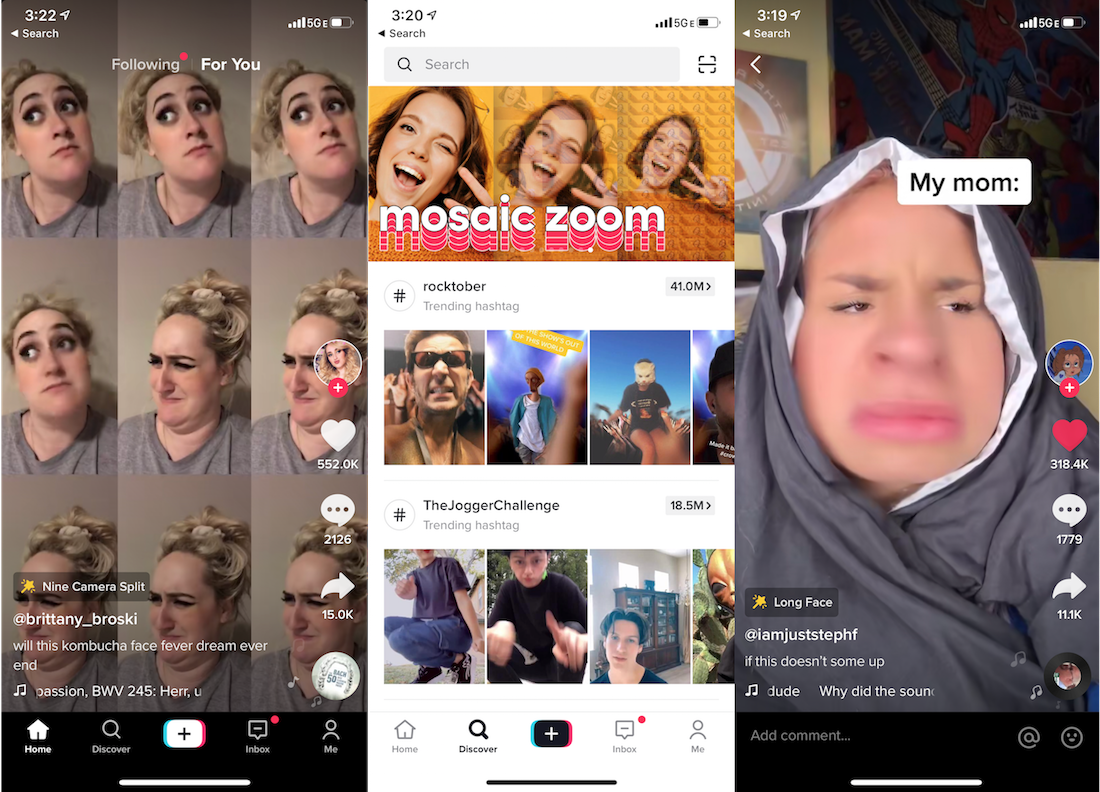
“It’s almost like the Explore Tab that we have on Instagram” said Facebook CEO Mark Zuckerberg in leaked audio of him describing TikTok during an all-hands meeting. But it’s not. TikTok represents a new form of social entertainment that’s vastly different from the lifelogging of Instagram where you can just take a selfie, show something pretty, or pan around what you’re up to. TikToks are premeditated, storyboarded, and vastly different than the haphazard Stories on Insta.
That’s why Zuckerberg’s comments cast a dark shadow over the future of the Facebook family of apps. How can it beat what it doesn’t understand? He certainly can’t ignore it. Facebook’s copycat Lasso has been installed just 425,000 times since it launched in November, while TikTok has 640 million installs in the same period outside of China. Oh, and TikTok has 1.4 billion total installs beyond China to date.
TikTok
Casey Newton of The Verge today published two hours of audio and transcripts from two internal-only all-hands Q&As held by Zuckerberg at Facebook in July. His comments touch on the company’s plan to fight being broken up by regulators, especially if Elizabeth Warren becomes President. He thinks Facebook would win, but on resorting to suing the government, he says “does that still suck for us? Yeah.” Zuckerberg also describes how Facebook is working to launch a payments product in Mexico and elsewhere by year’s end as Libra deals with regulatory scrutiny.
But beyond his comments on regulation, it’s his pigeonholing of TikTok that’s most alarming. It foreshadows Facebook failing to win one of the core social feeds that its business depends on. Perhaps his perspective on the competitor is evolving, but the leak portrays him as thinking TikTok is just the next Snapchat Stories to destroy.
Zuckeberg’s Thoughts On TikTok
Here’s what Zuckerberg said about TikTok during the internal Q&A sessions, (emphasis mine):
So yeah. I mean, TikTok is doing well. One of the things that’s especially notable about TikTok is, for a while, the internet landscape was kind of a bunch of internet companies that were primarily American companies. And then there was this parallel universe of Chinese companies that pretty much only were offering their services in China. And we had Tencent who was trying to spread some of their services into Southeast Asia. Alibaba has spread a bunch of their payment services to Southeast Asia. Broadly, in terms of global expansion, that had been pretty limited, and TikTok, which is built by this company Beijing ByteDance, is really the first consumer internet product built by one of the Chinese tech giants that is doing quite well around the world. It’s starting to do well in the US, especially with young folks. It’s growing really quickly in India. I think it’s past Instagram now in India in terms of scale. So yeah, it’s a very interesting phenomenon.
And the way that we kind of think about it is: it’s married short-form, immersive video with browse. So it’s almost like the Explore Tab that we have on Instagram, which is today primarily about feed posts and highlighting different feed posts. I kind of think about TikTok as if it were Explore for stories, and that were the whole app. And then you had creators who were specifically working on making that stuff. So we have a number of approaches that we’re going to take towards this, and we have a product called Lasso that’s a standalone app that we’re working on, trying to get product-market fit in countries like Mexico, is I think one of the first initial ones. We’re trying to first see if we can get it to work in countries where TikTok is not already big before we go and compete with TikTok in countries where they are big.
We’re taking a number of approaches with Instagram, including making it so that Explore is more focused on stories, which is increasingly becoming the primary way that people consume content on Instagram, as well as a couple of other things there. But yeah, I think that it’s not only one of the more interesting new phenomena and products that are growing. But in terms of the geopolitical implications of what they’re doing, I think it is quite interesting. I think we have time to learn and understand and get ahead of the trend. It is growing, but they’re spending a huge amount of money promoting it. What we’ve found is that their retention is actually not that strong after they stop advertising. So the space is still fairly nascent, and there’s time for us to kind of figure out what we want to do here. But I think this is a real thing. It’s good.
To Zuckerberg’s credit, he’s not dismissing the threat. He knows TikTok is popular. He knows it’s growing in key international markets Facebook and Instagram depend on to keep user counts rising. And he knows his company needs to respond via its standalone clone Lasso and more.
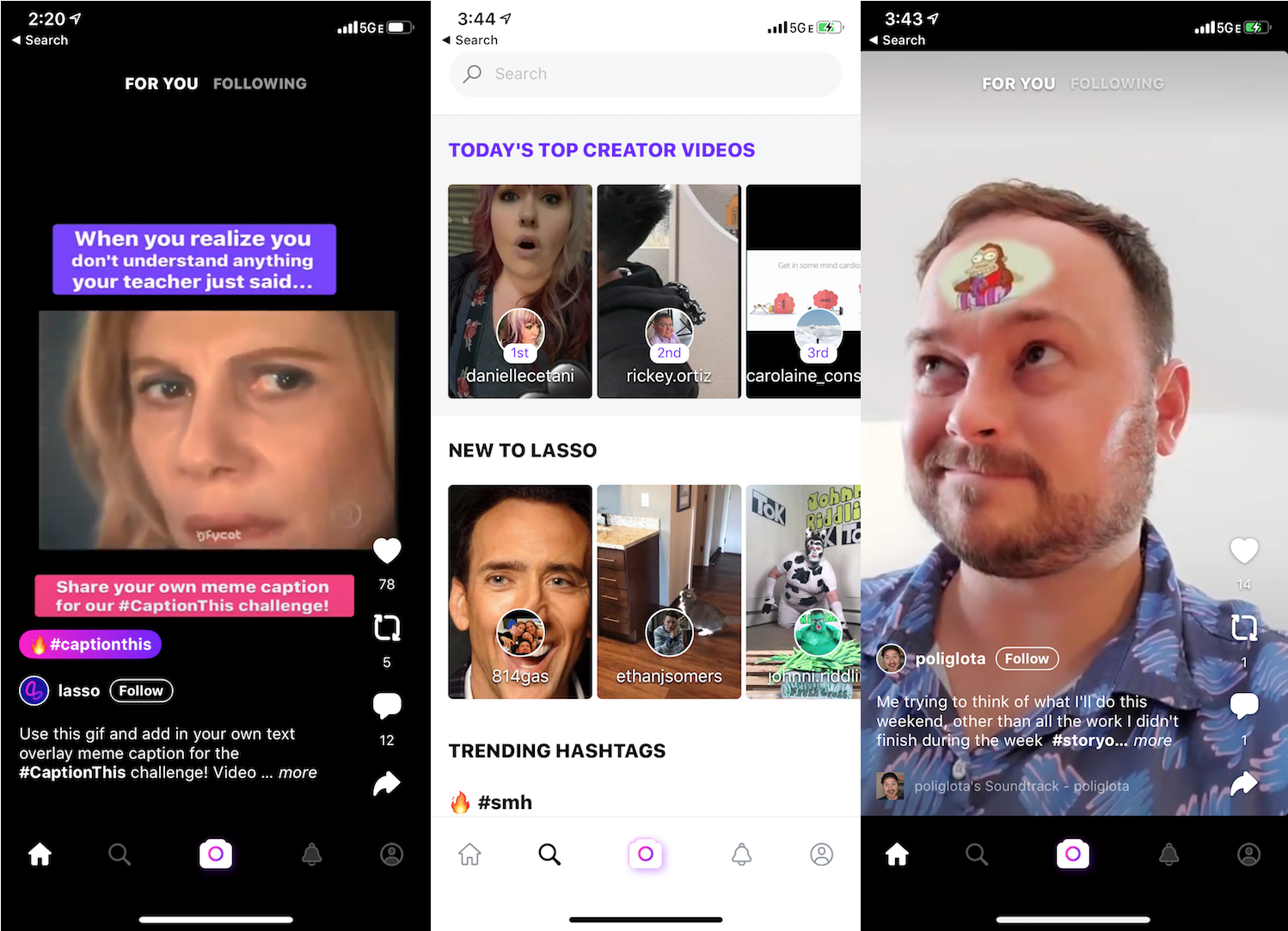
Lasso
But while TikToks might look like Stories because they’re vertical videos, and TikTok might algorithmically recommend them to people like Instagram Explore, it’s a whole ‘nother beast of a product and one that may be harder than it seems to copy.
To crystallize why, let’s rewind to Snapchat. With the launch of Stories, it started to blow up with US teens. Facebook’s attempts to clone it in standalone apps like Poke and Slingshot never gained traction. In fact, none of Facebook’s standalone apps have succeeded unless they splintered off an already-popular piece of Facebook like chat and users were forced to download them like Messenger. It wasn’t until Zuckerberg stuck his clone of Stories front-and-center atop Instagram and Facebook that Snapchat’s user count went from growing 18% per quarter to shrinking. There, Facebook used the same strategy laid out in Zuckerberg’s comments — push its good-enough clone in countries where the original isn’t popular yet.
But Facebook was fortunate because Stories really wasn’t that dissimilar to the content users were already sharing on Instagram — tiny biographical snippets of their lives. Snapchat CEO Evan Spiegel had originally invented Stories as a vision of Facebook’s News Feed through the lens of an ephemeral camera. All users had to know was “I take the same videos, but shorter and sillier, posted more often, and then they disappear”. The concept of Instagram and Facebook didn’t have to change. They were still about telling friends what you were up to. Choking off TikTok’s growth will be much more complicated.
Why TikTok Is Tough To Clone
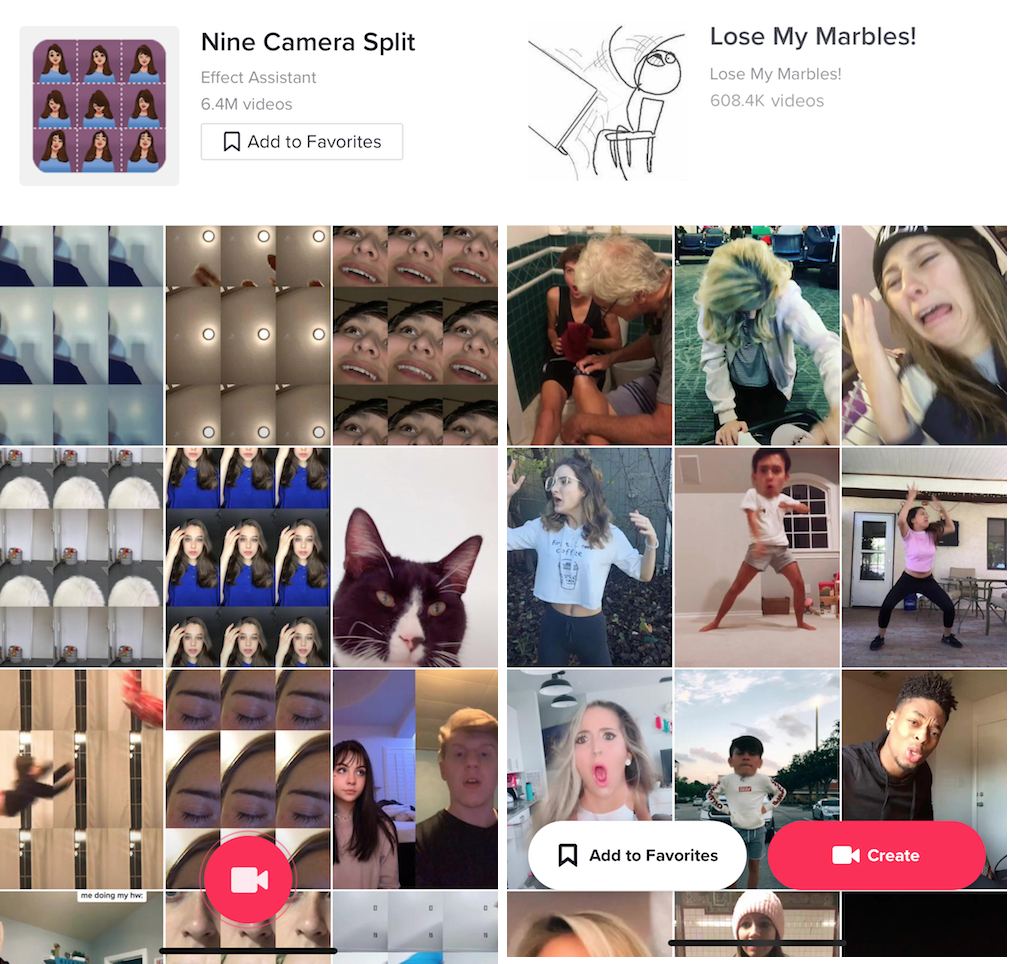
TikTok isn’t about you or what you’re doing. It’s about entertaining your audience. It’s not spontaneous chronicling of your real life. It’s about inventing characters, dressing up as someone else, and acting out jokes. It’s not about privacy and friends, but strutting on the world stage. And it’s not about originality — the heart of Instagram. TikTok is about remixing culture — taking the audio from someone else’s clip and reimagining the gag in a new context by layering it atop a video you record.
That makes TikTok distinct enough that it will be very difficult to shoehorn into Instagram or Facebook, even if they add the remixing functionality. Most videos on those apps aren’t designed to be templates for memes like TikToks are. Insta and Facebook’s social graphs are rooted in friendship and augmented by the beautiful and famous, but don’t encompass the new wave of amateur performers TikTok elevates. And since each post to the app becomes fodder for someone else’s creativity, a competitor starting from scratch doesn’t offer much to remix.
That means a TikTok clone would have to be somewhat buried in Instagram or Facebook, rebuild a new social graph, and retrain users’ understanding of these apps’ purpose…at the risk of distracting from their core use cases. This leaves Facebook hoping to grow its standalone TikTok clone Lasso which TechCrunch scooped a year ago before it launched last November. But as we’ve seen, Facebook struggles growing brand new apps, and that effort is further hindered by its increasingly toxic brand and sheen of uncoolness. Nor does it help that Facebook must divert development resources to comply with all the new privacy and transparency obligations as part of its $5 billion FTC fine and settlement.
The Next Feed
Facebook’s best bet is to assess the future value of the ads it could run on a successful TikTok clone and apply some greater fraction of that grand sum to competing directly. It’s already made some smart additions to Lasso like tutorials for how to remix and the option to add GIFs as sections of your video. But it’s still failing to gain serious traction in the US. While typical TikTok homepage videos have hundreds of thousands of Likes, the top ones I saw in my Lasso feed today received 70 or fewer.
I had Sensor Tower run some analysis comparing TikTok with Lasso since its launch last November, and found that Lasso gets 6 downloads for every 1000 for TikTok in the US. Some more stats:
US Total Downloads Since November: Lasso – 250,000 // TikTok – 41.3 million
US Downloads Per Day Since November: Lasso – 760 // TikTok – 126,000
Average US Google Play Social App Chart Ranking: Lasso – #155 // TikTok – #2
Beyond the US, Lasso has only launched in one other market, Mexico in April, where it’s been faring better but could hardly even be considered a competitor to TikTok. They won’t even coherently fit together on a graph. Facebook needs to lean harder into Lasso:
Mexico Total Downloads Since April: Lasso – 175,000 // TikTok – 3.3 million
Mexico Downloads Per Day Since November: Lasso – 1,000 // TikTok – 19,000
Zuckerberg may need to find a coherent place for TikTok style features inside Instagram and potentially Facebook. That could be another horizontal row of previews like with Stories and/or a header on the Explore page dedicated to premeditated content. Certainly something more prominent than a single button like IGTV that still no one is asking for. One opportunity to best TikTok would be building a dedicated remix source browser into the Stories camera to help users find content to put their own spin on.
Facebook will also need to buy out top TikTok creators to make videos for it instead, and even quasi-hire some of the most prolific video meme or challenge inventors to give users trends to jump on rather than just one-off clips to watch. Its failure to offer IGTV stars monetization has led many to ignore that platform, and it can’t afford that again.
If Zuckerberg approaches TikTok as merely an algorithmic video recommender like Explore, Facebook will miss out on owning the social entertainment feed. If he doesn’t decisively move to challenge TikTok soon, its catalog of content to remix will grow insurmountable and it will own the whole concept of short form performative video. Snapchat’s insistence on ephemerality makes it incompatible with remixing, and YouTube isn’t nimble enough to reinvent itself.
If no American company can step up, we could see our interest data, faces, and attention forfeited to an app that while delightful to use, heralds Chinese political values at odds with our own. If only Twitter hadn’t killed Vine.
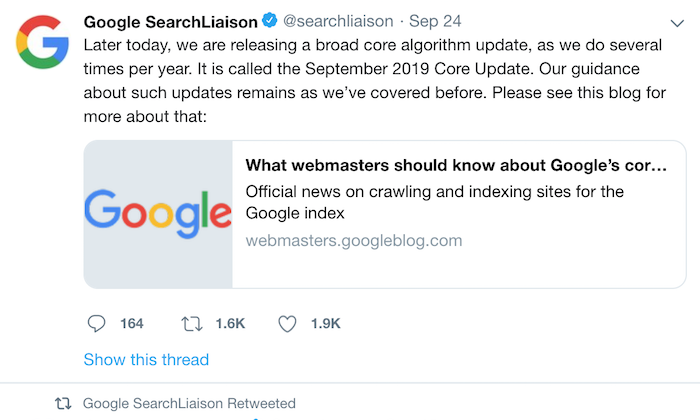
Google released a major update. They typically don’t announce their updates, but you know when they do, it is going to be big.
And that’s what happened with the most recent update that they announced.
A lot of people saw their traffic drop. And of course, at the same time, people saw their traffic increase because when one site goes down in rankings another site moves up to take its spot.
Can you guess what happened to my traffic?
Well, based on the title of the post you are probably going to guess that it went up.
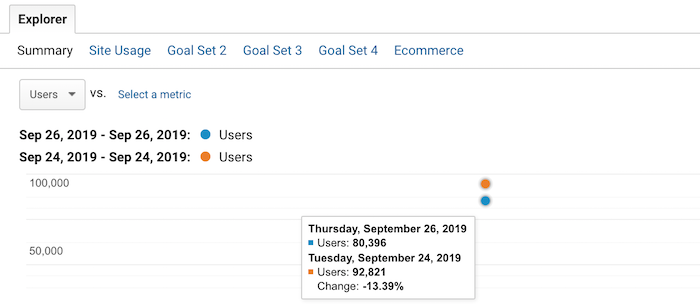
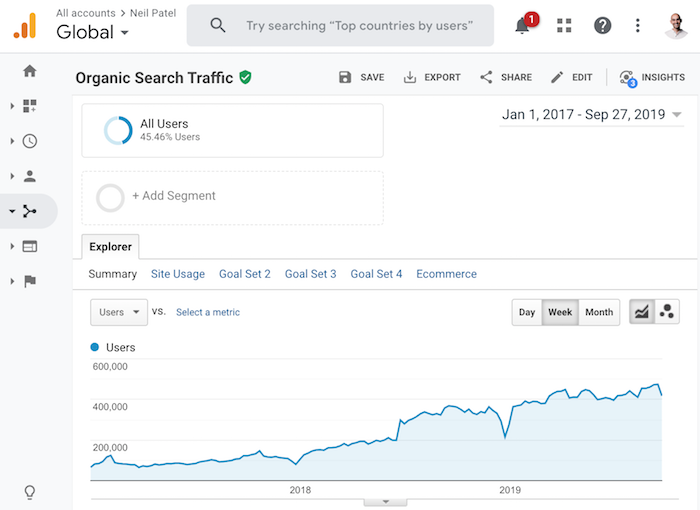
Now, let’s see what happened to my search traffic.
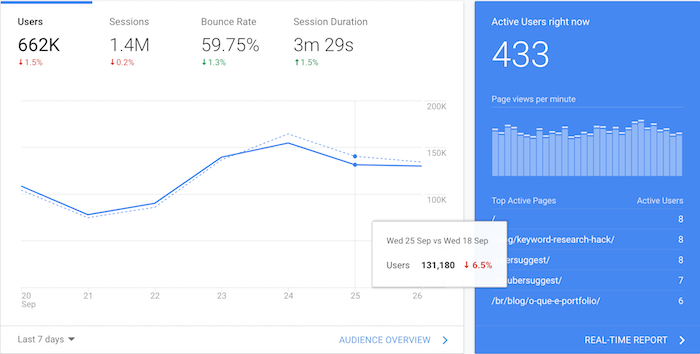
My overall traffic has already dipped by roughly 6%. When you look at my organic traffic, you can see that it has dropped by 13.39%.
I know what you are thinking… how did you beat Google’s core update when your traffic went down?
What if I told you that I saw this coming and I came up with a solution and contingency strategy in case my organic search traffic would ever drop?
But before I go into that, let me first break down how it all started and then I will get into how I beat Google’s core update.
A new trend
I’ve been doing SEO for a long time… roughly 18 years now.
When I first started, Google algorithm updates still sucked but they were much more simple. For example, you could get hit hard if you built spammy links or if your content was super thin and provided no value.
Over the years, their algorithm has gotten much more complex. Nowadays, it isn’t about if you are breaking the rules or not. Today, it is about optimizing for user experience and doing what’s best for your visitors.
But that in and of itself is never very clear. How do you know that what you are doing is better for a visitor than your competition?
Honestly, you can never be 100% sure. The only one who actually knows is Google. And it is based on whoever it is they decide to work on coding or adjusting their algorithm.
Years ago, I started to notice a new trend with my search traffic.
Look at the graph above, do you see the trend?
And no, my traffic doesn’t just climb up and to the right. There are a lot of dips in there. But, of course, my rankings eventually started to continually climb because I figured out how to adapt to algorithm updates.
On a side note, if you aren’t sure how to adapt to the latest algorithm update, read this. It will teach you how to recover your traffic… assuming you saw a dip. Or if you need extra help, check out my ad agency.
In many cases after an algorithm update, Google continues to fine-tune and tweak the algorithm. And if you saw a dip when you shouldn’t have, you’ll eventually start recovering.
But even then, there was one big issue. Compared to all of the previous years, I started to feel like I didn’t have control as an SEO anymore back in 2017. I could no longer guarantee my success, even if I did everything correctly.
Now, I am not trying to blame Google… they didn’t do anything wrong. Overall, their algorithm is great and relevant. If it wasn’t, I wouldn’t be using them.
And just like you and me, Google isn’t perfect. They continually adjust and aim to improve. That’s why they do over 3,200 algorithm updates in a year.
But still, even though I love Google, I didn’t like the feeling of being helpless. Because I knew if my traffic took a drastic dip, I would lose a ton of money.
I need that traffic, not only to drive new revenue but, more importantly, to pay my team members. The concept of not being able to pay my team on any given month is scary, especially when your business is bootstrapped.
So what did I do?
I took matters into my own hands
Although I love SEO, and I think I’m pretty decent at it based on my traffic and my track record, I knew I had to come up with another solution that could provide me with sustainable traffic that could still generate leads for my business.
In addition to that, I wanted to find something that wasn’t “paid,” as I was bootstrapping. Just like how SEO was starting to have more ups and downs compared to what I’ve seen in my 18-year career, I knew the cost at paid ads would continually rise.
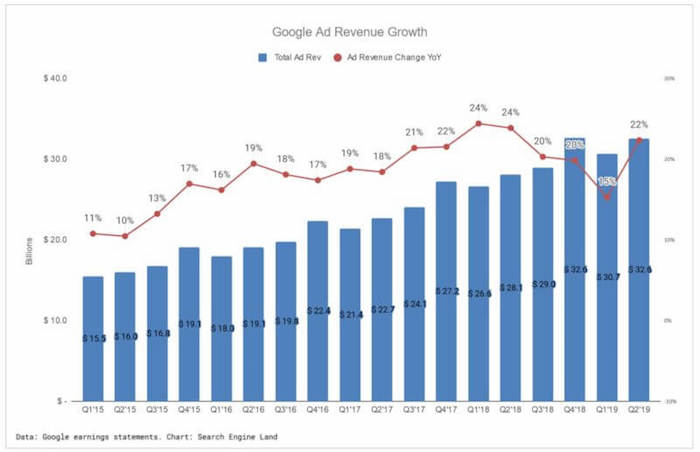
Just look at Google’s ad revenue. They have some ups and downs every quarter but the overall trend is up and to the right.
In other words, advertising will continually get more expensive over time.
I didn’t want to rely on a channel that would cost me more next year and the year after because it could get so expensive that I may not be able to profitably leverage it in the future.
So, what did I do?
I went on a hunt to figure out a way to get direct, referral, and organic traffic that didn’t rely on any algorithm updates. (I will explain what I mean by organic traffic in a bit.)
I went on my mission
With the help of my buddy, Andrew Dumont, I went searching for websites that continually received good traffic even after algorithm updates.
Here were the criteria that we were looking for:
Sites that weren’t reliant on Google traffic
Sites that didn’t need to continually produce more content to get more traffic
Sites that weren’t popular due to social media traffic (we both saw social traffic dying)
Sites that didn’t leverage paid ads in the past or present
Sites that didn’t leverage marketing
In essence, we were looking for sites that were popular because people naturally liked them. Our intentions at first weren’t to necessarily buy any of these sites. Instead, we were trying to figure out how to naturally become popular so we could replicate it.
Do you know what we figured out?
I’ll give you a hint.
Think of it this way: Google doesn’t get the majority of their traffic from SEO. And Facebook doesn’t get their traffic because they rank everywhere on Google or that people share Facebook.com on the social web.
Do you know how they are naturally popular?
It comes down to building a good product.
That was my aha! moment. Why continually crank out thousands of pieces of content, which isn’t scalable and is a pain as you eventually have to update your old content, when I could just build a product?
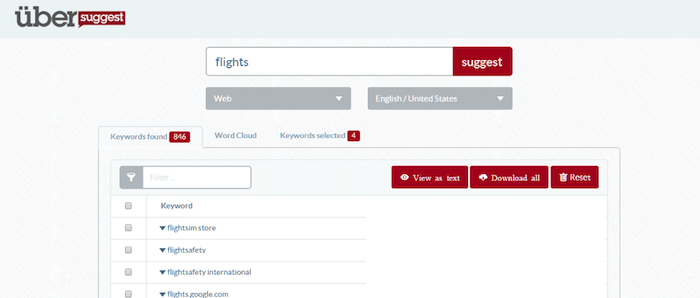
That’s when Andrew and I stumbled upon Ubersuggest.
It used to be a simple tool that just showed you Google Suggest results based on any query.
Before I took it over, it was generating 117,425 unique visitors per month and had 38,700 backlinks from 8,490 referring domains.
All of this was natural. The original founder didn’t do any marketing. He just built a product and it naturally spread.
The tool did, however, have roughly 43% of its traffic coming from organic search. Now, can you guess what keyword it was?
The term was “Ubersuggest”.
In other words, its organic traffic mainly came from its own brand, which isn’t really reliant on SEO or affected by Google algorithm updates. That’s also what I meant when I talked about organic traffic that wasn’t reliant on Google.
Now since then I’ve gone a bit crazy with Ubersuggest and released loads of new features… from daily rank tracking to a domain analysis and site audit report to a content ideas report and backlinks report.
In other words, I’ve been making it a robust SEO tool that has everything you need and is easy to use.
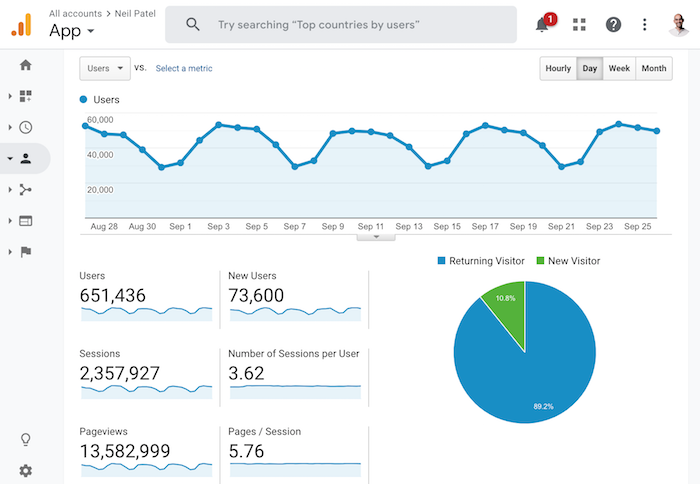
It’s been so effective that the traffic on Ubersuggest went from 117,425 unique visitors to a whopping 651,436 unique visitors that generates 2,357,927 visits and 13,582,999 pageviews per month.
Best of all, the users are sticky, meaning the average Ubersuggest user spends over 26 minutes on the application each month. This means that they are engaged and will likely to convert into customers.
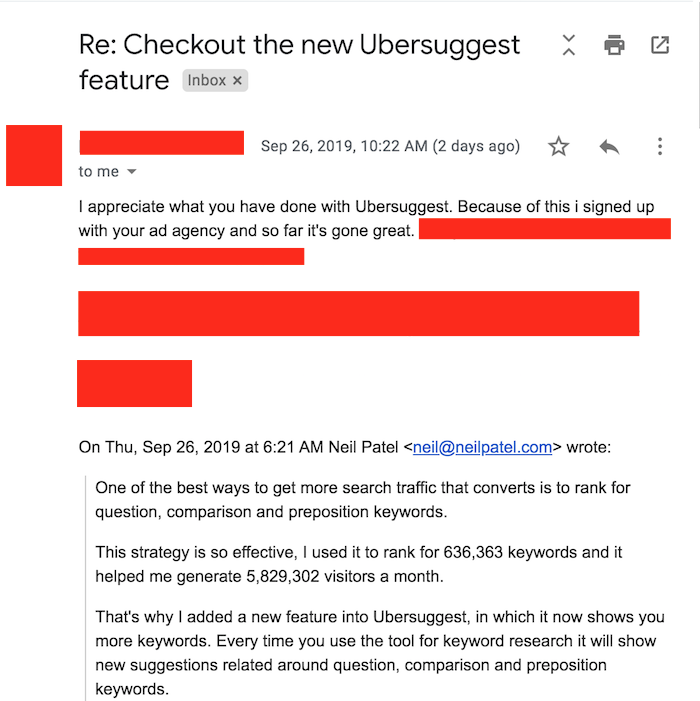
As I get more aggressive with my Ubersuggest funnel and start collecting leads from it, I expect to receive many more emails like that.
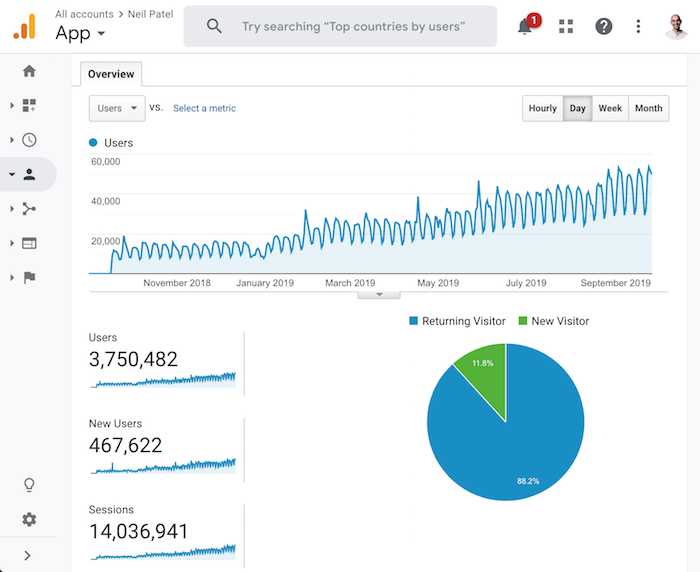
And over the years, I expect the traffic to continually grow.
Best of all, do you know what happens to the traffic on Ubersuggest when my site gets hit by a Google algorithm update or when my content stops going viral on Facebook?
It continually goes up and to the right.
Now, unless you dump a ton of money and time into replicating what I am doing with Ubersuggest, but for your industry, you won’t generate the results I am generating.
As my mom says, I’m kind of crazy…
But that doesn’t mean you can’t do well on a budget.
Back in 2013, I did a test where I released a tool on my old blog Quick Sprout. It was an SEO tool that wasn’t too great and honestly, I probably spent too much money on it.
Here were the stats for the first 4 days of releasing the tool:
Day #1: 8,462 people ran 10,766 URLs
Day #2: 5,685 people ran 7,241 URLs
Day #3: 1,758 people ran 2,264 URLs
Day #4: 1,842 people ran 2,291 URLs
Even after the launch traffic died down, still 1,000+ people per day used the tool. And, over time, it actually went up to over 2,000.
It was at that point in my career, I realized that people love tools.
I know what you are thinking though… how do you do this on a budget, right?
How to build tools without hiring developers or spending lots of money
What’s silly is, and I wish I knew this before I built my first tool on Quick Sprout back in the day, there are tools that already exist for every industry.
You don’t have to create something new or hire some expensive developers. You can just use an existing tool on the market.
And if you want to go crazy like me, you can start adding multiple tools to your site… just like how I have an A/B testing calculator.
So how do you add tools without breaking the bank?
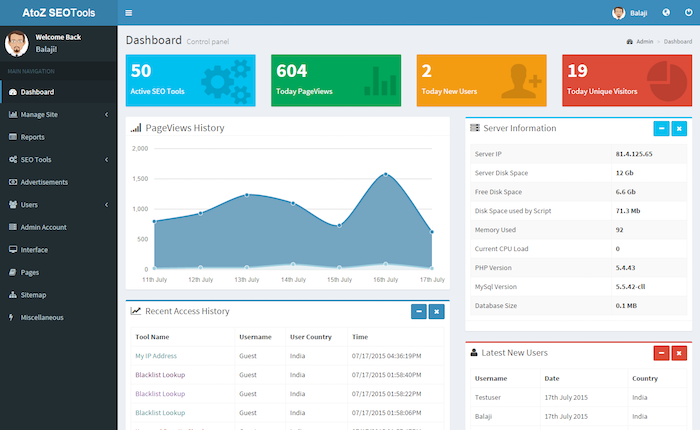
You buy them from sites like Code Canyon. From $2 to $50, you can find tools on just about anything. For example, if I wanted an SEO tool, Code Canyon has a ton to choose from. Just look at this one.
Not a bad looking tool that you can have on your website for just $40. You don’t have to pay monthly fees and you don’t need a developer… it’s easy to install and it doesn’t cost much in the grand scheme of things.
And here is the crazy thing: The $40 SEO tool has more features than the Quick Sprout one I built, has a better overall design, and it is .1% the cost.
Only if I knew that before I built it years ago. :/
Look, there are tools out there for every industry. From mortgage calculators to calorie counters to a parking spot finder and even video games that you can add to your site and make your own.
In other words, you don’t have to build something from scratch. There are tools for every industry that already exists and you can buy them for pennies on the dollar.
Conclusion
I love SEO and always will. Heck, even though many SEOs hate how Google does algorithm updates, that doesn’t bother me either… I love Google and they have built a great product.
But if you want to continually do well, you can’t rely on one marketing channel. You need to take an omnichannel approach and leverage as many as possible.
That way, when one goes down, you are still generating traffic.
Now if you want to do really well, think about most of the large companies out there. You don’t build a billion-dollar business from SEO, paid ads, or any other form of marketing. You first need to build an amazing product or service.
So, consider adding tools to your site, the data shows it is more effective than content marketing and it is more scalable.
Sure you probably won’t achieve the results I achieved with Ubersuggest, but you can achieve the results I had with Quick Sprout. And you can achieve better results than what you are currently getting from content marketing.
What do you think? Are you going to add tools to your site?